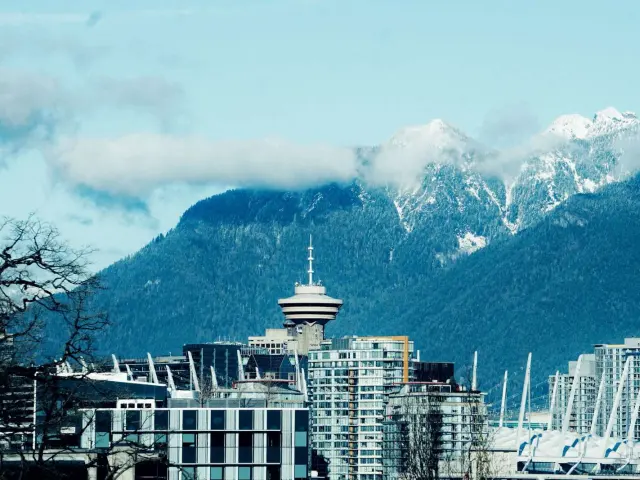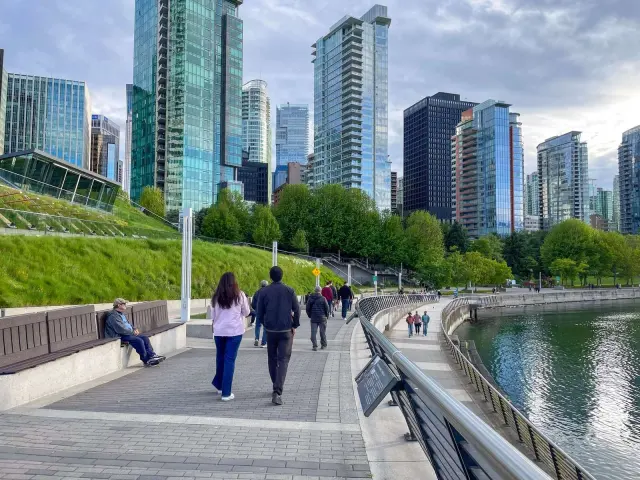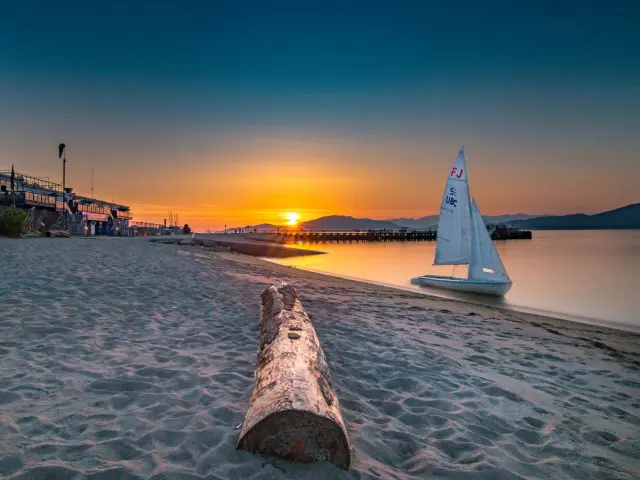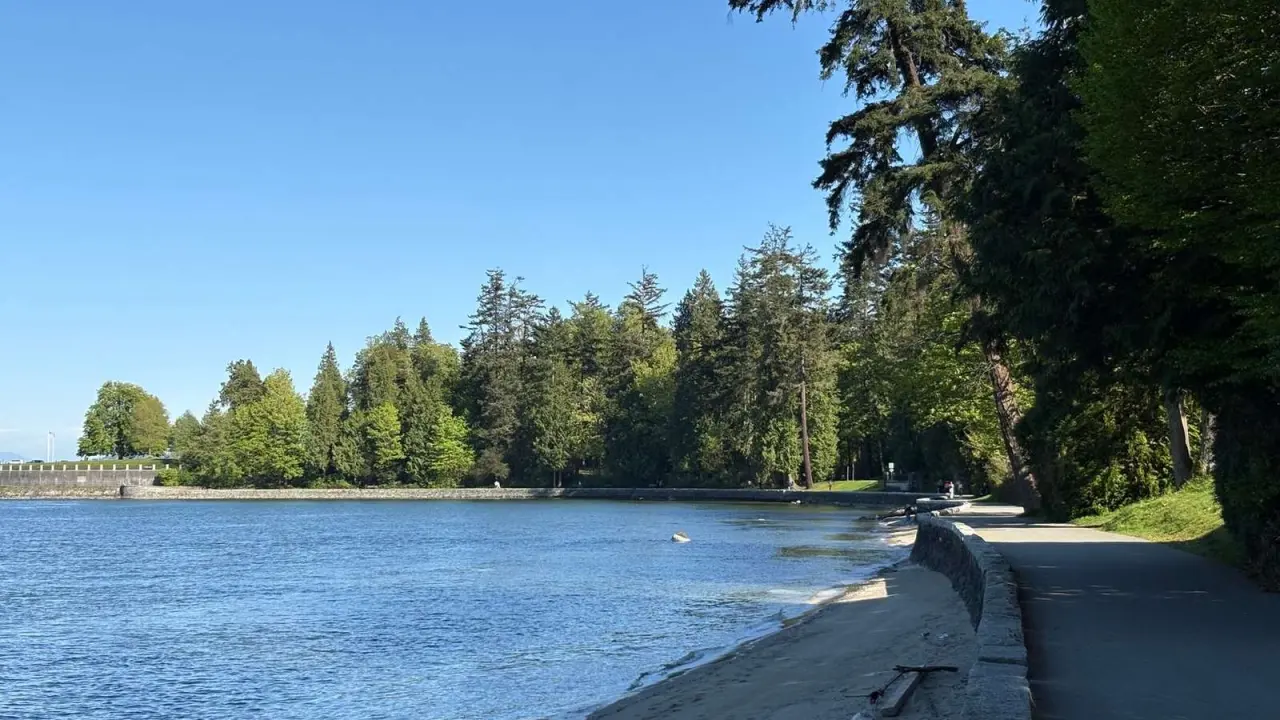
You’ve got a day in Vancouver and one big park to fit in. The best things to do in stanley park are walking or cycling the seawall, wandering forest trails, and relaxing on a beach.
Stanley Park is one stop on the wider list of things to do in vancouver, and this page zooms in on the park itself.
| Item | Value |
|---|---|
| Park size | 1,000 acres (405 hectares) |
| Seawall length | 10.5 km |
| Walking the seawall | About 3 hours at a stroll |
| Cycling the seawall | Just over an hour |
| Trail and pathway network | Over 27 km |
| Prospect Point above sea level | 210 feet (64 m) |
These figures come from HelloBC’s Stanley Park profile and Destination Vancouver’s park guide. They can change, so check the sources before you rely on them.
Walk, cycle or skate the seawall
The seawall is the park’s backbone, a path of 10.5 km that rings the peninsula, according to HelloBC. Destination Vancouver says the flat route takes about 3 hours to stroll, or just over an hour if you rent a bike on Denman Street.
Along the way the seawall passes totem poles at Brockton Point and the quiet waters of Lost Lagoon. You also get views of the city skyline, the North Shore Mountains and boats crossing Burrard Inlet.
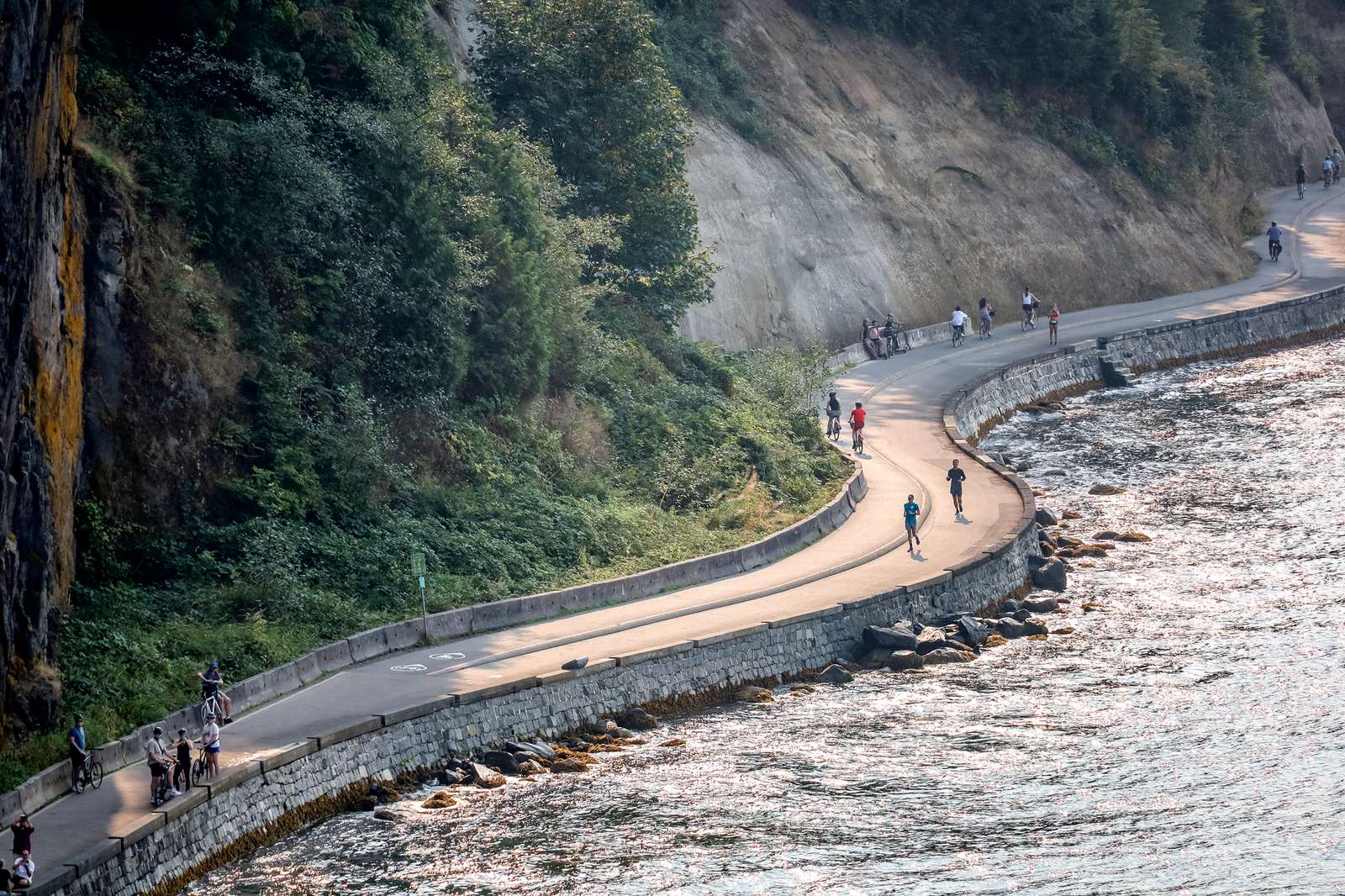
A few rules of the road make the loop smoother:
- Bikes and in-line skates are restricted to a counterclockwise direction, so everyone flows the same way.
- If you are on wheels, HelloBC suggests starting at the southeast corner of the park off Georgia St.
- Distance markers keep you posted, and the Lions Gate Bridge at kilometre 5 is roughly the halfway point.
The wall itself has a story. HelloBC notes that master mason James Cunningham gave 32 years to its construction, from 1931 until 1963, and that the final stone went in on September 26, 1971. A plaque near Siwash Rock honours him.
Where do the forest trails and lakes lead?
Step off the water and the park turns into rainforest. Destination Vancouver counts over 27 km of pathways, with most trails running two to five kilometres, so you can build a short loop or a long wander. Bring a park map and make your own route.
Three spots reward a detour:
- Beaver Lake, where lily pads dot the surface and you might spot Canada’s national animal.
- Lost Lagoon, which with Beaver Lake is a resting place for hundreds of migratory birds such as Canada geese, swans and ducks.
- The Siwash Rock Trail, which passes some of the biggest trees in the park and clifftop ocean views.
The terrain is gentle. Prospect Point sits at a mere 210 feet (64 m) above sea level, so HelloBC says to expect an easy go of it on most paths. On the forest trail back from Third Beach, look for a giant hollow red cedar that measures 56 feet (17 m) around.
If the park whets your appetite for steeper terrain, the best hikes near vancouver are a natural next step.
Beaches and sunset spots
The west side of the peninsula has three popular ocean beaches, and each has its own feel. Destination Vancouver describes them this way:
- English Bay Beach (First Beach): just outside the park entrance, the most popular stretch of sand and a good place for people-watching and sunset views.
- Second Beach: family-friendly, with a sandy shoreline, grassy lawns, a playground and the heated outdoor Second Beach Pool.
- Third Beach: tucked away on the west side, with a laid-back, secluded vibe, reached by stairs or the seawall.
For a different kind of view, stop at Prospect Point. You can treat yourself to locally sourced ice cream while looking out at the North Shore Mountains, Lions Gate Bridge and Burrard Inlet. Occasionally a harbour seal hauls out on a nearby rock and sits as still as a sculpture.
If you would rather sit down for a meal, the Teahouse in Stanley Park offers an elegant dinner with a view of English Bay. When you are planning a whole week, the list of free things to do in vancouver can help you balance paid stops with simple outdoor days.
History, wildlife and gardens
The seawall passes a string of landmarks, including Deadman’s Island, the Brockton Point Lighthouse, the Girl in a Wet Suit sculpture and the Empress of Japan figurehead. The Nine O’clock Gun, according to HelloBC, has a loud report that can be heard throughout much of the city.
Siwash Rock is the best-known stop. The offshore monolith is a symbol of “clean fatherhood” for the Squamish people who once lived in the park, and the story was told to poet Pauline Johnson-Tekahionwake by Chief Joe Capilano. Above it, look up at the basalt columns on Prospect Point, a reminder of the end of the most recent ice age about 10,000 years ago.
For a guided look at the park’s cultural side, Destination Vancouver points to the Talking Trees tour with Talaysay Tours, which explores the park through Indigenous storytelling.
Nature fans have several options:
- The Stanley Park Nature House explains native plants and wildlife through interactive displays.
- The Rose Garden has thousands of fragrant blooms in every shade imaginable.
- In spring, rhododendrons add pinks, purples and reds to the paths near Lost Lagoon.
- The Vancouver Aquarium sits in the heart of the park and features BC’s Wild Coast and Pacific Canada exhibits.
Raccoons and squirrels here are used to crowds and habituated to handouts, yet HelloBC reports numerous notices warning visitors not to feed the animals. Follow them.
How do you get there and beat the crowds?
Getting in is easy. Destination Vancouver lists a 30-minute walk or 10-minute bike ride from Canada Place along the Coal Harbour Seawall, or Translink Bus 19 downtown, which rides into the park.
If you drive, the same guide suggests grabbing a day pass to move between lots, or paying by the hour for a short visit. Sightseeing tours and horse-drawn carriage rides are other ways to see the highlights.
Popularity is the park’s catch. HelloBC advises timing your visit for earlier or later in the day, particularly on hot summer weekends. It also suggests starting from a more remote area, such as the seawall segment east of the Lions Gate Bridge near Prospect Point, and adds that even a fleet-footed explorer needs at least a day to see everything.
Frequently asked questions
How long does it take to walk the Stanley Park seawall?
Show answer
Destination Vancouver says the flat route takes about 3 hours to stroll. Allow longer if you stop at the beaches and viewpoints.
Which direction do cyclists ride on the seawall?
Show answer
HelloBC says bike and in-line skate traffic is restricted to a counterclockwise direction. Walkers can use the path too, so stay alert.
Can you feed the raccoons and squirrels?
Show answer
No. HelloBC notes that numerous notices warn visitors not to feed the animals, even though many of them are used to handouts.
How do you reach the park without a car?
Show answer
Destination Vancouver suggests walking or biking from Canada Place along the Coal Harbour Seawall, or taking Translink Bus 19 downtown into the park. Taxis and rideshares are also an option.