Worried about getting soaked and chilled on the trail? What to wear hiking in the rain comes down to wool or synthetic layers, a waterproof shell on top, and no cotton anywhere.
For the wider kit list, read our guide to the best outdoor gear for vancouver weather.
| Item | Value |
|---|---|
| Typical Vancouver temperatures, December to February | 3° to 8°C (37° to 47°F) |
| Rainy days per month in those winter months | 19 days on average |
| Local mountain snowfall in winter | About 30 cm per week |
| Heat loss when wet compared with dry | 240 times faster |
| Water most hikers need | About 0.5 L per hour |
| Suggested daypack capacity | 15-30 litres |
These figures come from Destination Vancouver’s winter gear guide and a winter layering guide from Ottawa Valley Air Paddle. Weather and advice can change, so check the sources before you rely on them.
Why Vancouver rain calls for layers
Vancouver’s coastal climate means winter is usually not very cold, with typical December to February temperatures of 3° to 8°C (37° to 47°F). It is wet though: on average it rains 19 days a month over those months, according to Destination Vancouver.
Sometimes it rains all day, but often it drizzles in fits and starts, with clear periods in between. That is why a set of adjustable layers works better than one heavy coat: you can add or remove clothes as the rain stops and starts.
Conditions also change with elevation. The same source notes that Vancouver’s local mountains get about 30 cm of snow each week in winter, so a drizzly day at sea level can mean snow and ice higher up.
Staying dry matters because wet clothing drains heat. One winter hiking guide says our bodies lose heat 240 times faster when wet than when dry, so the goal is to limit moisture from both the rain outside and the sweat inside. A hiking writer describes it as a fine balance between those two kinds of wet.
The layering system, from skin to shell
New Zealand’s Department of Conservation and its Mountain Safety Council recommend a four-part system, which they describe in a 2024 post. It translates well to a rainy Vancouver trail:
- Base layer: a shirt or short-sleeved top, with a long-sleeved thermal added when it is colder. Destination Vancouver says this layer goes next to your skin to wick sweat while keeping warmth in.
- Mid layer: a fleece or long-sleeved woollen top for extra warmth.
- Insulation layer: a synthetic or down jacket for breaks and chilly stretches.
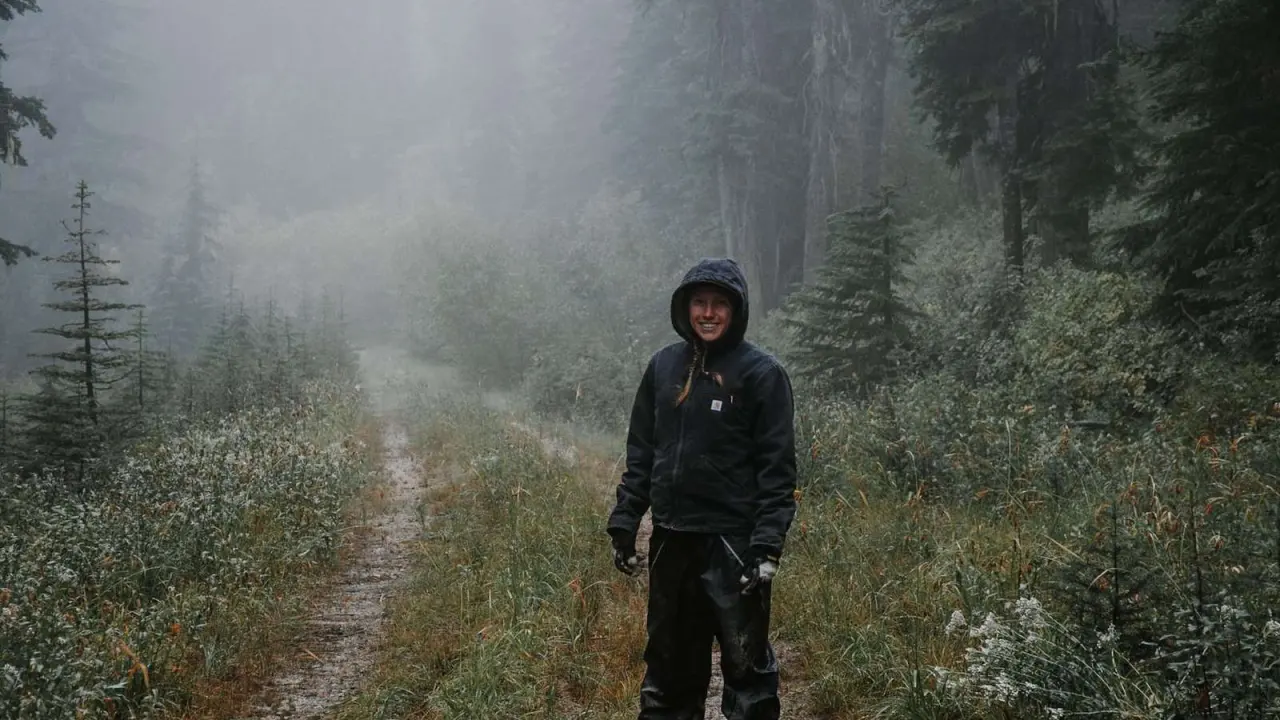
- Waterproof and windproof layer: a raincoat or quality rain jacket.
Fabrics to wear and fabrics to skip
Choose synthetics or wool. The Department of Conservation names fleece, polypropylene and merino as fabrics that stay warm when wet and absorb less moisture than other materials, and it adds that synthetics dry quickly.
Leave cotton at home. Destination Vancouver advises avoiding anything made with cotton because it won’t keep you warm if it gets wet, and the Department of Conservation warns that wet cotton and denim can lead to hypothermia at worst.
Down needs care too. The same department notes that down loses its insulating properties when it’s wet, so a synthetic insulation layer may be the better choice if you plan to wear it in the rain.
Choosing the shell
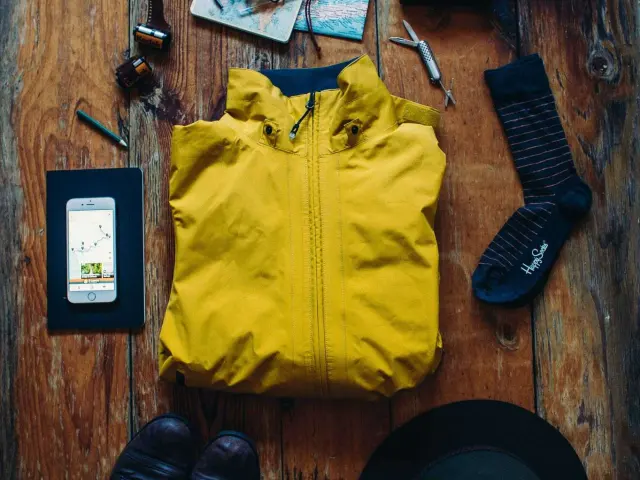
Look for a jacket rated waterproof, not water-resistant, and preferably with waterproof breathable technology, which lets sweat escape without letting rain in. If you want help narrowing options, read how to choose a rain jacket.
Mid-weight thermals are usually enough here. Destination Vancouver says midweight long underwear is the best choice for most people, since heavyweight ones are usually too hot in the region’s mild climate.
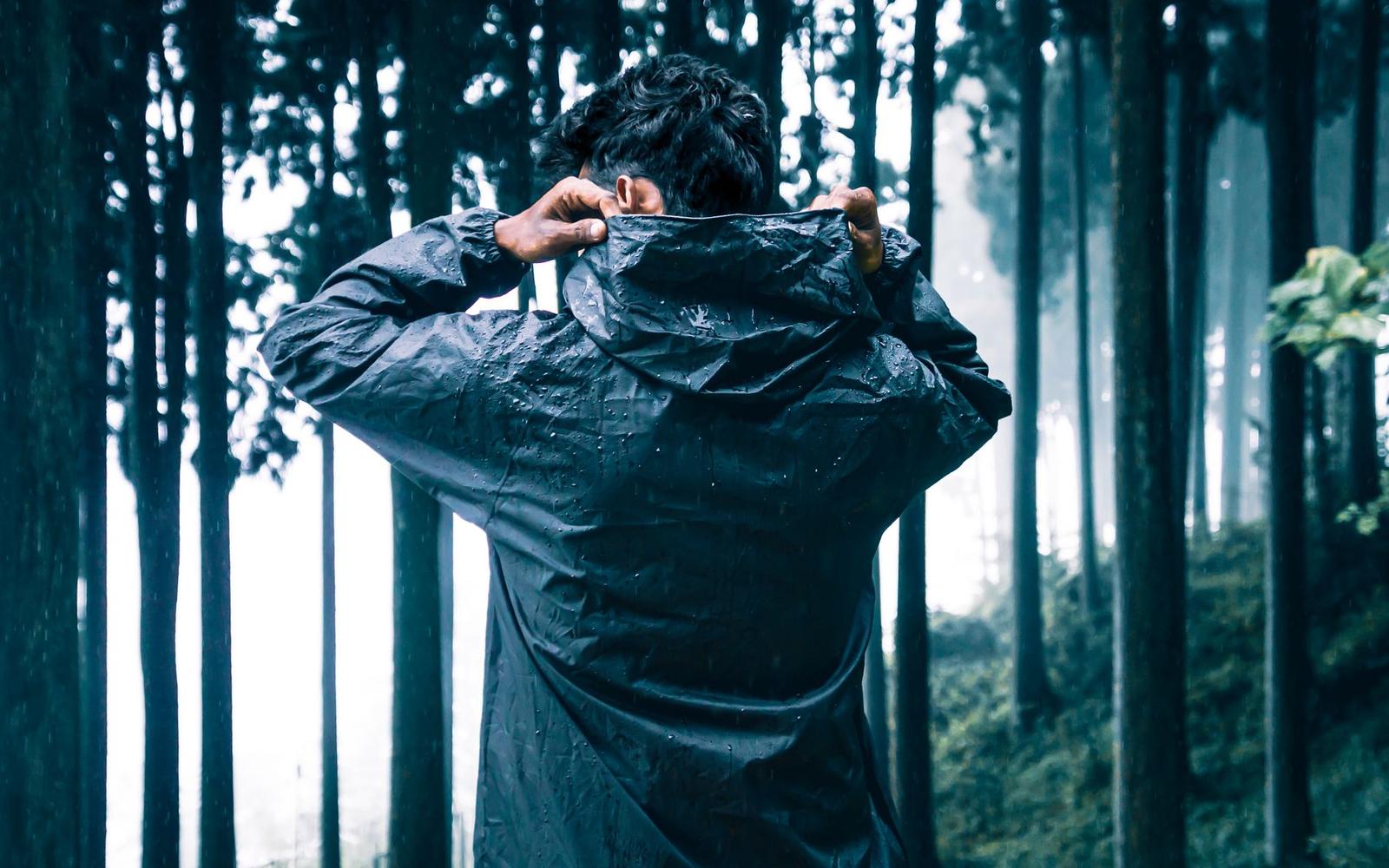
Legs, feet, hands and head
Your top half is only part of the job. These are the lower-body and extremity basics the sources agree on:
- Rain pants: if you plan to hike in the rain, Destination Vancouver says you will need waterproof rain pants, ideally with waterproof breathable technology. The Department of Conservation suggests waterproof trousers when your rain jacket is short.
- Boots: choose waterproof hiking boots. Don’t wear running shoes unless you want cold and wet feet.
- Socks: merino wool socks provide lots of warmth without too much bulk, and they need to fit inside your boots.
- Gaiters: an optional extra that stops rain from getting into your boots.
- Hat and gloves: a warm hat and gloves help stop body heat from escaping. In the cold or rain, waterproof and insulated gloves are best.
How to manage heat and wet on the trail
Clothes only work if you adjust them. These habits come straight from the sources:
- Start slightly cold. If you feel warm at the trailhead, you will likely overheat once you begin moving.
- Vent early. Unzip or remove layers before you sweat excessively, and look for jackets with pit zips for quick ventilation.
- Put rain gear on before it starts. You may need to take off some warm layers first to avoid overheating.
- Layer up at breaks. Once you stop moving, you lose heat quickly, so add warm clothing and your hat straight away.
- Keep spares accessible. Store warm clothes and rain gear in a dry bag near the top of your pack.
What goes in the pack
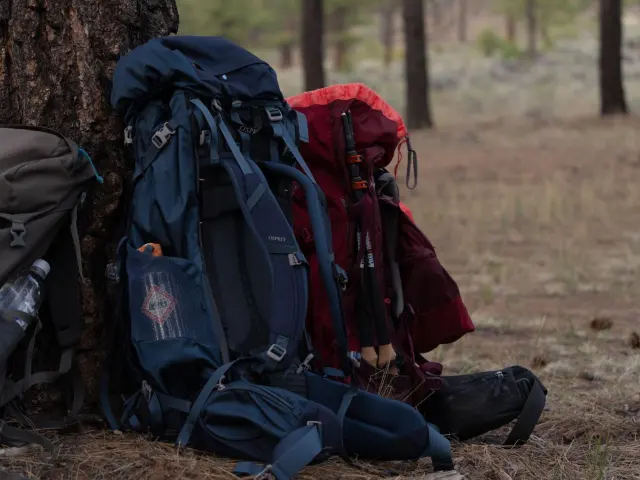
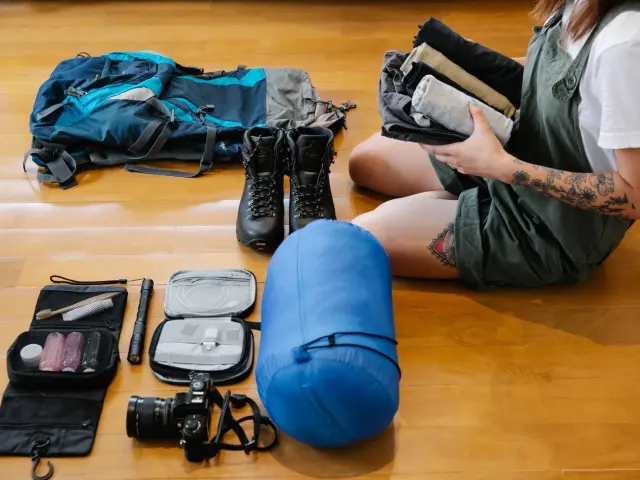
A daypack with a capacity of 15-30 litres is suggested for carrying extra layers, water, snacks and safety gear. Most hikers need about 0.5 L of water per hour, and mountain stream water isn’t safe to drink without filtering or purifying.
Plan the route and tell someone. A hiking writer advises leaving a trip plan with a friend or family member before every hike, and that you save trails with creeks to ford, steep slippery sections or flooding for a dry day. North Shore Rescue’s Curtis Jones wrote in 2018 that the second you leave the parking lot, you can no longer rely on a 911 response in moments.
Looking after your rain gear
A rain jacket’s performance fades with use. As you wear it, the DWR (durable water repellency) wears off, and dirt and oil clog the pores of the membrane, so water stops beading and the fabric starts to wet out.
The same hiking guide suggests re-waterproofing rain gear and boots at least once a year, and more often if you hike a lot. For cleaning steps, see how to wash a waterproof jacket.
Frequently asked questions
Is a rain jacket enough for hiking in the rain?
Show answer
A jacket keeps rain and wind off, but what you wear under it decides whether you stay warm. Pair it with a wool or synthetic base layer, and add waterproof trousers if the jacket is short.
Can I wear cotton on a wet hike?
Show answer
It’s best to avoid it. Cotton soaks up water, stays wet and can leave you cold, so choose wool or synthetic fabrics instead.
How do I avoid overheating in a rain jacket?
Show answer
Start slightly cold, open pit zips or unzip before you sweat heavily, and choose a waterproof breathable jacket so sweat can escape.
How much water should I carry?
Show answer
Destination Vancouver says most hikers need about 0.5 L of water per hour. Carry enough for the whole trip, because stream water isn’t safe to drink without filtering or purifying.