Thinking about living in Vancouver but worried about the rent? Expect high housing costs, mild wet winters and outdoor space close by. Plan around rent and pack for rain, and the city pays you back.
| Item | Value |
|---|---|
| Population (city, 2021) | 662,248 |
| Annual rainfall | About 1,533 mm |
| Seawall length | 28 km |
| Monthly transit pass | From C$102.55 |
| One-bedroom rent, city centre | Around C$2,820 (Relocate.me estimate) |
| Single-person budget | About $3,100 per month (Expatsi estimate) |
These figures come from Relocate.me and Expatsi, two third-party guides. Prices, rankings and estimates can change, so check the source before you rely on them.
What living in Vancouver is actually like
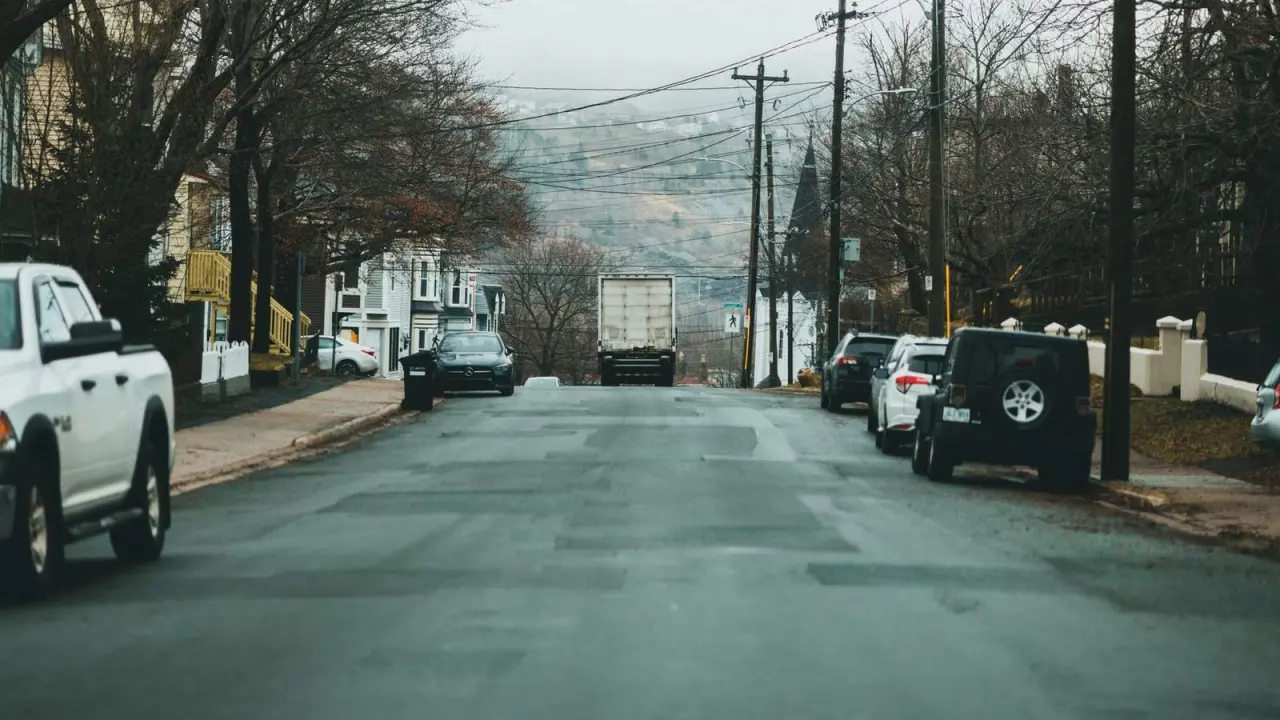
Vancouver is a coastal city where ocean, mountains and city streets share the same map. Expatsi’s profile, updated in August 2026, points to a 28 km seawall inside the city limits and a city population of 662,248 in 2021. Expatsi adds that the winters barely freeze.
The wider region is much larger than the city itself. Relocate.me puts the metro area at approximately 2.7 million people and lists technology, film, green energy and tourism among the key industries. It also notes that Vancouver is home to the largest port in Canada.
Relocate.me describes a multicultural, welcoming city with a strong sense of community. As of its November 29, 2024 update, the same page placed Vancouver 58th on a quality-of-life list of 178 entries and said the city plans to become carbon neutral by 2050 (source).
The catch is money. Expatsi’s verdict is that rent is what decides whether the city works for you. It also gives the city a safety index of 62/100, which is an estimate rather than a guarantee for any one street.
Where to live: neighbourhoods and suburbs
Neighbourhoods differ a lot in price, pace and commute, so choose the area before you choose the flat. For a street-by-street comparison, read the vancouver neighbourhoods guide.
IDP Education’s student guide gives three useful starting points:
- Downtown: the commercial and cultural centre, with shopping, dining, entertainment and excellent public transport links.
- Kitsilano: known for its beaches, cafés and relaxed atmosphere.
- Mount Pleasant: a creative neighbourhood with independent cafés, local shops, cultural venues and a thriving arts community.
The source for these descriptions is the IDP Education city guide, which is written for international students but applies to anyone weighing up the same areas.
Many people look further out to save money. Relocate.me names suburbs like Burnaby and Richmond as more affordable options with good public transport connections to the city.
Competition is tough. The same page says securing a place often requires planning, flexibility and quick decision-making, and that an apartment deposit can be up to half of the first month’s rent. Rental search sites it lists as neutral examples include Rentals.ca, Realtor.ca, Liv.rent and Zumper.com.
What does it cost to live in Vancouver?
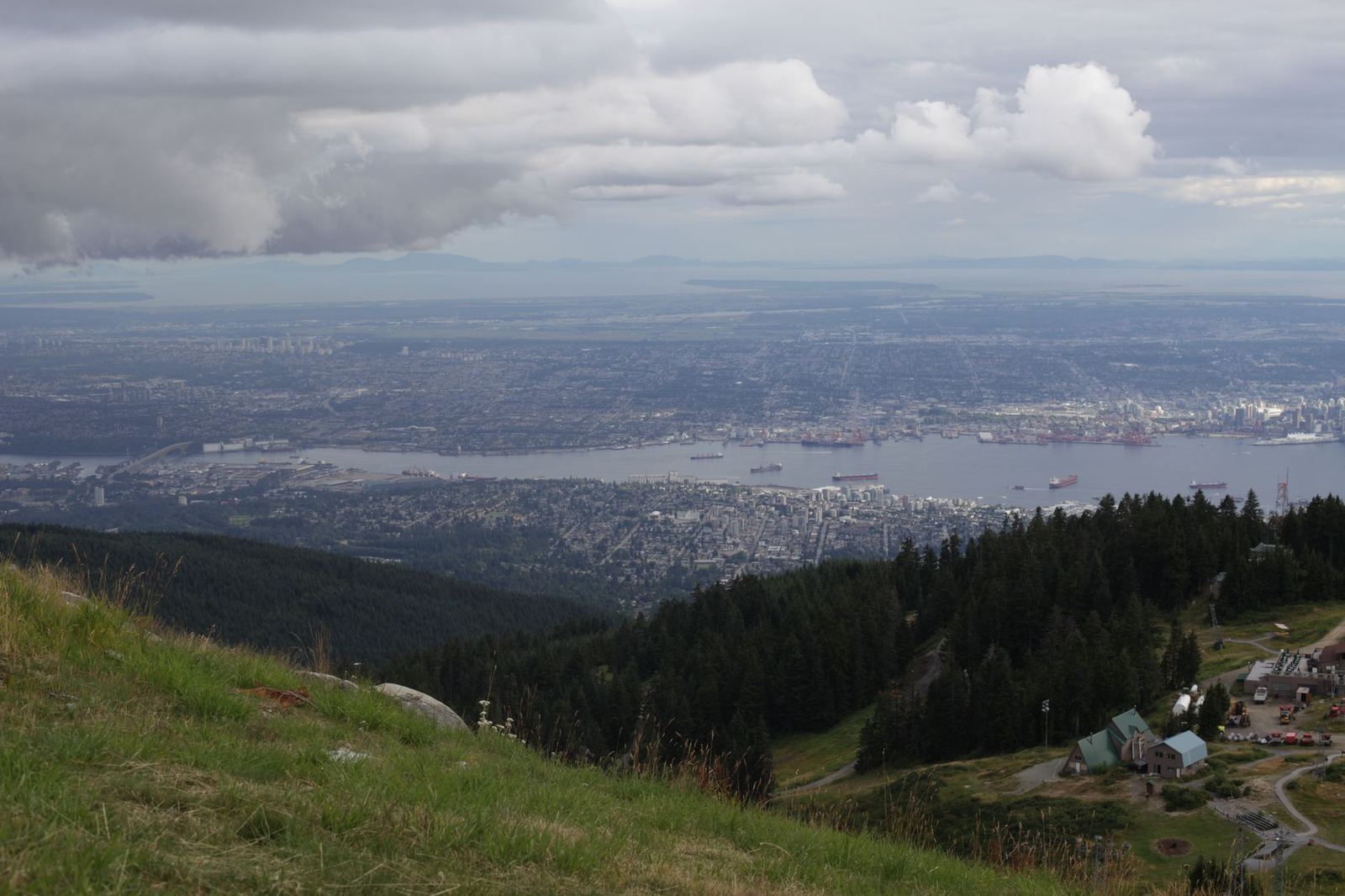
Housing is the biggest line in the budget, and the two guides measure it differently. Relocate.me gives an average of C$2,820+ for a one-bedroom in the city centre. Expatsi says a central one-bedroom averages $1,850, or about $1,600 if you move a few SkyTrain stops out.
Do not average the two. Their methods and currencies are not the same, so treat each as a range marker and check live listings for the street you want.
For all-in monthly budgets, Expatsi’s estimates (updated August 2026) are:
| Household | Monthly budget |
|---|---|
| Single person | About $3,100 |
| Couple | About $4,600 |
| Family | About $7,300 |
Those numbers are from Expatsi. Relocate.me takes a different cut, putting monthly expenses excluding rent at approximately C$1,520 for a single person and C$5,580 for a family of four, with an average salary of C$71,000 per year (source).
Groceries, dining out and everyday items are also described as costly, while utilities are reasonably priced, though winter heating can add to the bill. To work through the categories in more detail, see the cost of living in vancouver guide.
Getting around without a car
Public transport is run by TransLink and includes buses, the SkyTrain and the SeaBus. Relocate.me says the SkyTrain connects key parts of the city with suburbs like Burnaby, Richmond and Surrey, and that the SeaBus ferry crosses Burrard Inlet between downtown Vancouver and North Vancouver.
The page lists these fares:
- Single ticket, cash or contactless: from C$3.10.
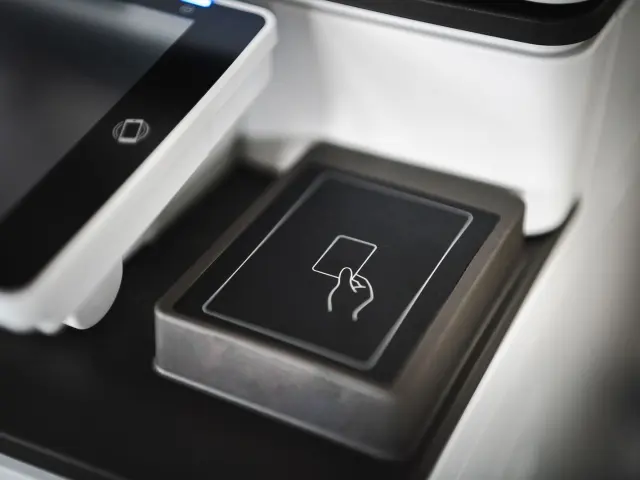
- Single ticket, Compass Card: from C$2.50.
- Day pass: C$11.
- Monthly pass: from C$102.55.
Those fares are from Relocate.me and fares are revised from time to time. If the card is new to you, the how to use compass card vancouver guide walks through it.
Relocate.me describes the system as reliable, eco-friendly and well-integrated, and notes a public bike-share system called Mobi. For a fuller plan that skips car ownership entirely, read how to get around vancouver without a car.
Weather and the outdoors
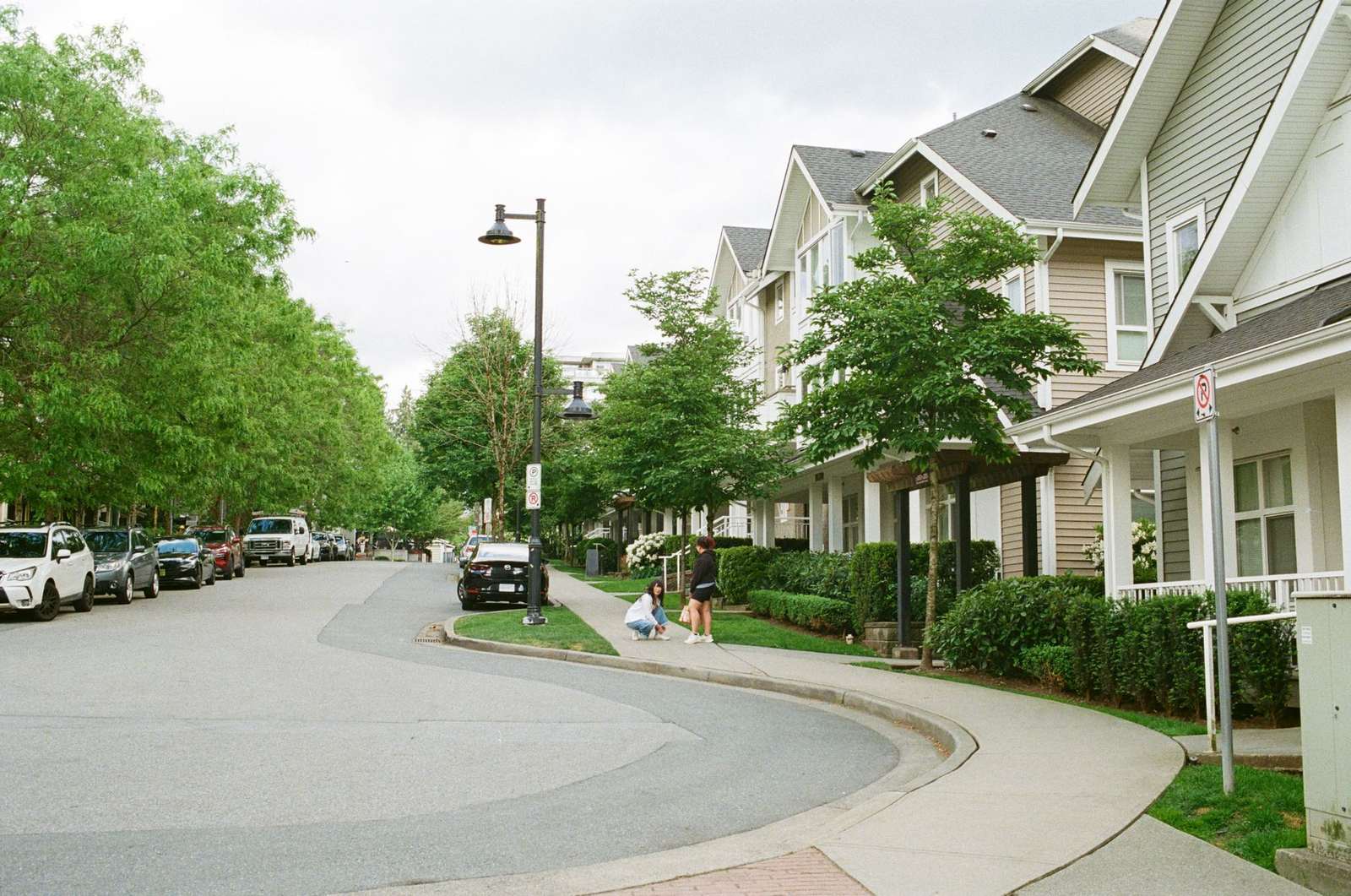
Rain is the trade for the scenery. Expatsi reports about 1,533 mm a year, roughly 60 inches, with most of it falling between October and March. Its climate figures show a 53 °F annual average, with December near 41° and July near 66°.
Relocate.me describes a temperate coastal climate with mild, rainy winters and warm, dry summers (source). Expatsi’s advice is simple: people who thrive here own good rain gear and go outside anyway. Our pick of kit is in the best outdoor gear for vancouver weather hub, and month-by-month conditions are in vancouver weather by month.
The IDP Education guide says popular outdoor spaces include Stanley Park, where you can walk, run or cycle along the Seawall, and English Bay, known for its beaches and waterfront views. It adds that nearby Grouse Mountain offers hiking in the warmer months and skiing or snowboarding in winter.
For ideas beyond the obvious, browse things to do in vancouver.

Settling in: work, health and daily routines
English is the primary language used in the workforce, according to Relocate.me, which also says the growing tech sector has drawn international companies. Healthcare is publicly funded in British Columbia, which reduces medical expenses for residents.
A few early tasks make the first weeks smoother:
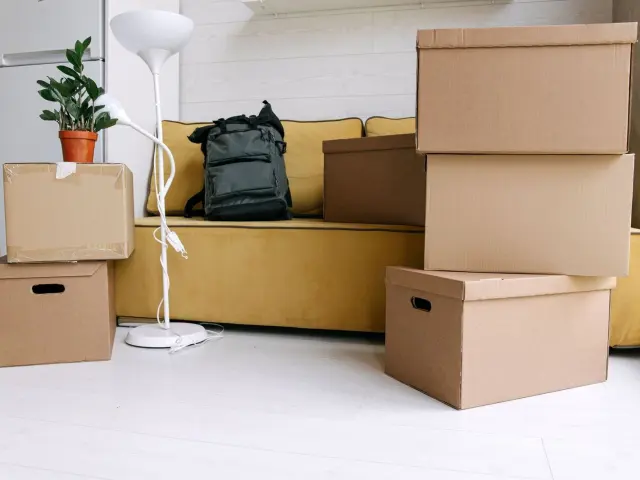
- Secure housing, with a deposit and a flexible shortlist of areas.
- Sort out transport, starting with a pass or card that suits your commute.
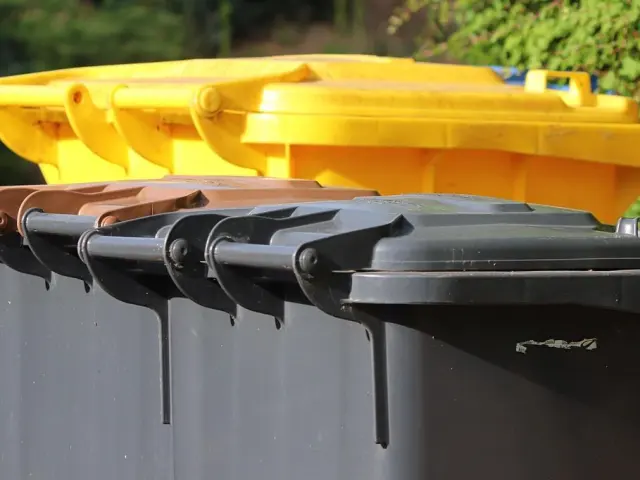
- Learn the local waste and recycling rules before your first collection day.
- Find your nearest market or grocery option so the weekly shop is routine.
A longer, step-by-step list is in the moving to vancouver checklist. Fresh local food is covered in vancouver farmers markets, and household waste is explained in vancouver recycling and garbage rules.
Frequently asked questions
Is Vancouver expensive?
Show answer
Housing is the main reason. Relocate.me reports a city-centre one-bedroom averaging C$2,820+, and Expatsi estimates about $3,100 a month for a single person. Rent is the biggest variable, so compare live listings.
Can you live in Vancouver without a car?
Show answer
Relocate.me describes the public transit as reliable, eco-friendly and well-integrated, with the Compass Card allowing easy transfers between modes (source). Your answer depends on where you live and work, so test your commute first.
Does it rain all year?
Show answer
Not equally. Expatsi says most of the yearly rain falls between October and March, and Relocate.me describes warm, dry summers.
Which areas do people consider first?
Show answer
The Relocate.me best-areas list names Central Kitsilano, South Vancouver, the West End, the City of Burnaby and Grandview. Use that as a shortlist, then compare commute and rent.