Not sure what goes where? The Vancouver recycling and garbage rules start with one big idea: food scraps go in the green bin, not the garbage. Here is what is accepted, what is banned, and where to check your own area.
This guide sits within our wider series on living in vancouver.
| Item | Value |
|---|---|
| Food scraps banned from disposal in Metro Vancouver since | January 2015 |
| Homes the ban applies to | Apartments, condos and detached homes |
| Food scraps kept out of the garbage in 2023 | More than 400,000 tonnes |
| Compost made from diverted organics in 2024 | 140,000 tonnes |
| Greenhouse gas emissions prevented in 2023 | 160,000 tonnes |
| CO2 avoided per tonne of food scraps recycled | More than 0.4 tonnes |
These figures come from Metro Vancouver’s food scraps recycling page. They can change, so check the source before you rely on them.
The core rule: food scraps are not garbage
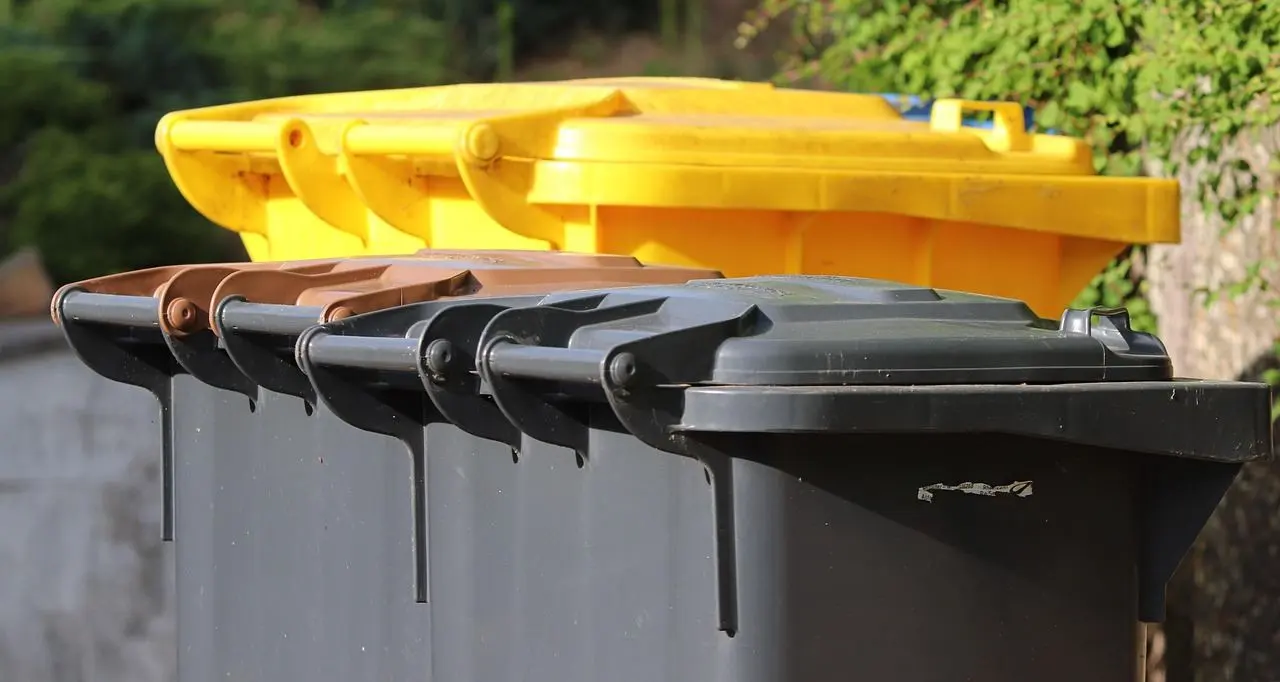
According to Metro Vancouver’s food scraps page, food scraps have been banned from disposal since January 2015. The ban applies to apartments and condos as well as detached homes.
Metro Vancouver describes the rule as a disposal ban on organic materials, which means food is banned as garbage at the region’s waste facilities. Disposal bans are described as an enforcement tool that encourages recycling.
The penalty the page describes is charged on loads of waste that contain excessive amounts of visible food scraps. That is a rule about loads arriving at facilities, but the practical message for you is simple: keep food out of the garbage.
What goes in the green bin?
The list of accepted items is wider than many people expect. Metro Vancouver lists these as green bin items:
- All food scraps, including produce, grains, dairy and meat
- Prepared food, such as leftovers
- Shells (egg shells and seafood shells) and bones
- Small amounts of fat, oil and grease
- Paper napkins and paper towel
- Food-soiled newsprint, often used to line a kitchen catcher
- Coffee grounds and filters, and paper tea bags
- Wooden chopsticks, skewers and popsicle sticks
Notice how many of these are paper or wood that has touched food. The source list does not cover bags, liners or container types, so ask your municipality for those details.
Setting up a simple kitchen routine
The easiest habit is a small kitchen catcher by the prep area, emptied into your green bin as it fills. Food-soiled newsprint is a sourced option for lining it, and paper towel that wiped up a spill can go straight in with the scraps.
Shopping at a market? Produce trimmings from a weekend haul at the vancouver farmers markets are exactly the kind of food scraps the green bin is for.
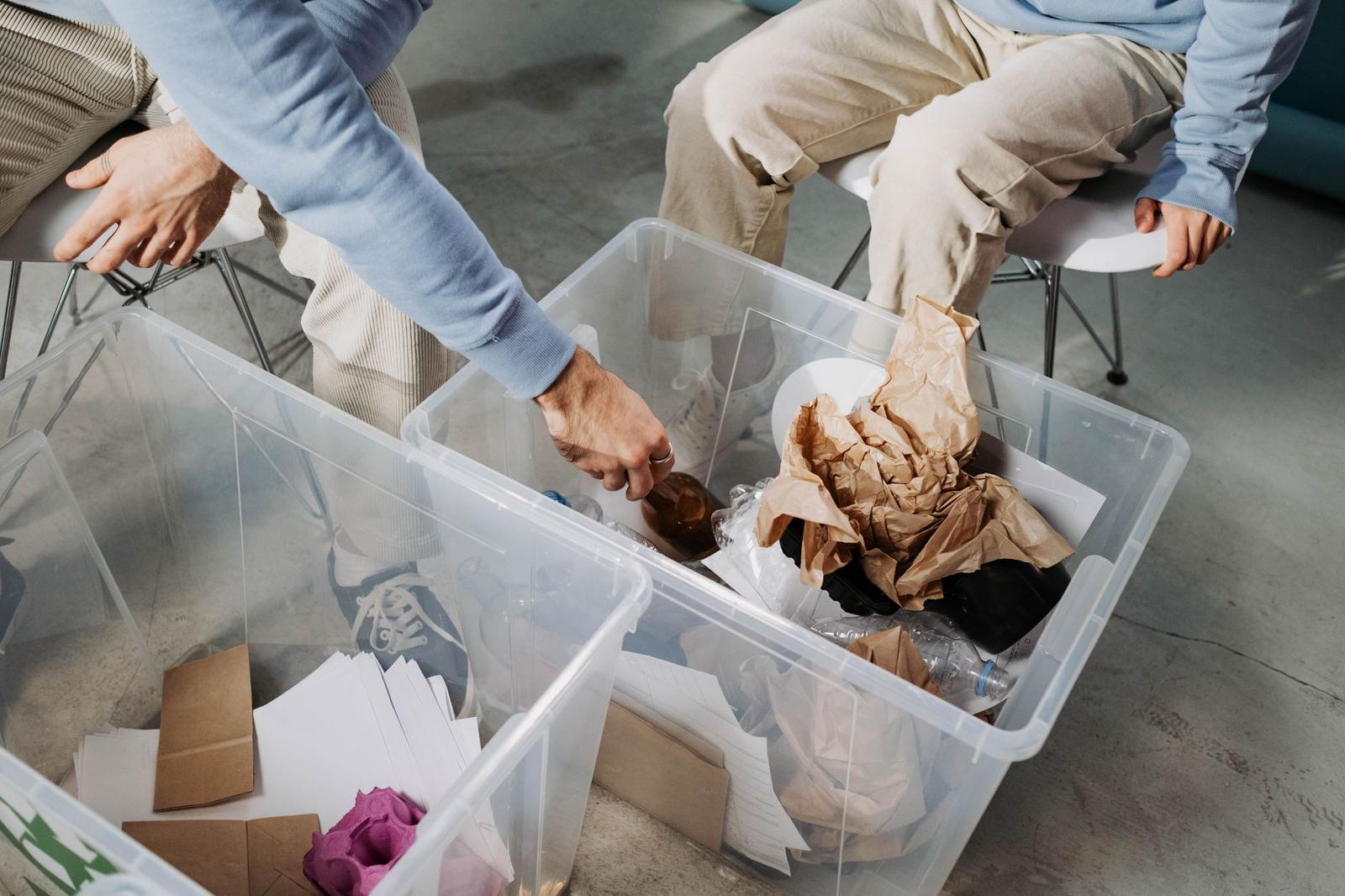
Metro Vancouver also points out that diverting food waste to composting is better than landfill, but preventing food waste in the first place is even better. Planning meals and using leftovers keeps both your bin and your grocery bill lighter.
Why the rules exist: methane and compost
In a landfill, food is buried under layers of waste without access to oxygen, so it cannot decompose properly. It creates methane, a greenhouse gas that Metro Vancouver says is roughly 30 times more potent than CO2.
Composting is the alternative, and it produces far less greenhouse gas. In the region, recycling one tonne of food scraps prevents more than 0.4 tonnes of CO2 emissions compared to disposal.
The regional results add up. Residents kept more than 400,000 tonnes of food scraps out of the garbage in 2023 and prevented 160,000 tonnes of greenhouse gas emissions that year, which Metro Vancouver compares to taking 50,000 cars off the road. In 2024, enough organic material was diverted to create 140,000 tonnes of compost.
Checking the rules for your own address
Metro Vancouver sets the regional ban, but it directs people to their municipality for food scraps recycling in their community. Collection schedules, bin types and building arrangements are local details, and this guide does not list them.
If you are not sure which municipality covers your street, our vancouver neighbourhoods guide is a useful place to start. Then look for your city’s recycling and garbage page, and check what it says about blue box items and garbage, which this article does not cover.
Frequently asked questions
Do apartments and condos have to separate food scraps?
Show answer
According to Metro Vancouver’s food scraps page, the disposal ban applies to apartments and condos as well as detached homes. Ask your building manager or municipality how collection works where you live.
Can meat and dairy go in the green bin?
Show answer
Yes. Metro Vancouver lists all food scraps, including produce, grains, dairy and meat, as accepted. Bones and shells are listed too.
Can paper products go in with food scraps?
Show answer
Some can. The page lists paper napkins, paper towel, food-soiled newsprint, coffee filters and paper tea bags.
Why not just put food in the garbage?
Show answer
Food in a landfill creates methane, which Metro Vancouver says is roughly 30 times more potent than CO2. Food is also banned as garbage at the region’s waste facilities.
Who do I ask about rules in my area?
Show answer
Metro Vancouver says to contact your municipality to learn more about food scraps recycling in your community.