Standing in front of your pack, unsure what to pack for a day hike? Bring a 20-35 litre daypack, about 2 litres of water, layers, sun protection, a headlamp and a first aid kit.
Use this list alongside the guide to the best outdoor gear for vancouver weather when you decide on each item.
| Item | Key figure |
|---|---|
| Daypack size for most hikes | 20-35 liters |
| Water for an adult on a daylong hike | About 2 liters |
| Minimum sunscreen rating | At least UPF 30 |
| Heat saved by adding a light hat and gloves | 20% of your body heat |
| Origin of the Ten Essentials list | 1930s |
These figures come from Bearfoot Theory’s day hiking essentials guide (September 2024) and Adventure Medical Kits’ essentials list. Recommendations can change, so check the source before you rely on them.
Start with a daypack that fits
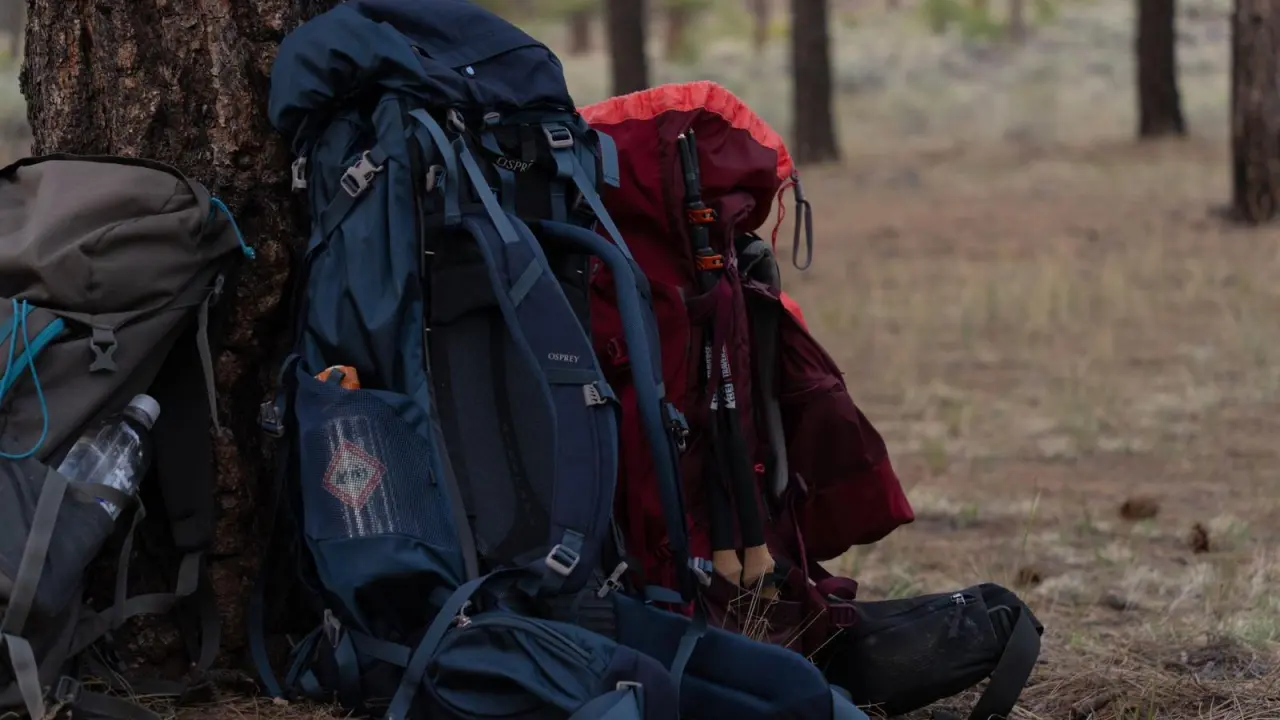
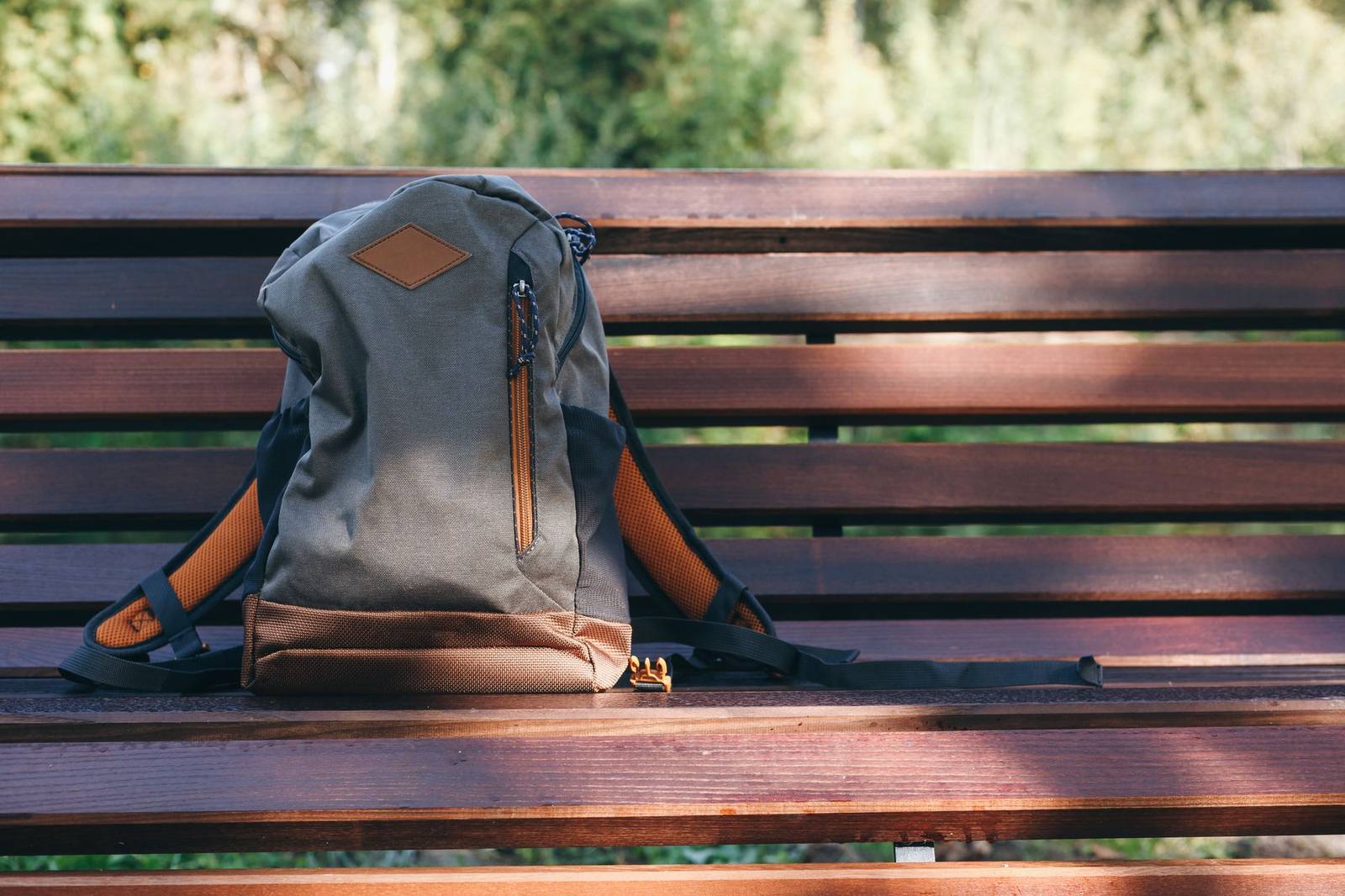
Everything else on this list rides in your daypack, so it is worth getting right. Bearfoot Theory calls a pack in the 20-35 liter range the sweet spot for most hikes: enough room for layers, food and water without cramming.
An old school bag can work on a short, flat trail. For several hours on your feet with a full load, a pack that fits your body and supports the weight makes a big difference.
Look for these features:
- An interior sleeve for a hydration reservoir, which makes drinking on the move easier.
- A padded hip belt, so the load sits on your hips rather than your shoulders.
- A sternum strap, which stops the pack shifting as you walk.
- Multiple pockets, so snacks, layers and first aid are easy to reach.
- Load lifter straps, which pull the weight closer to your body.
Dress in layers and choose the right footwear
Weather can shift fast, especially in the mountains. Adventure Medical Kits advises packing an extra layer based on the worst weather you might meet, because conditions can change in an instant even if the hike starts out sunny.
Bearfoot Theory suggests synthetic fabric or wool, since both wick sweat and dry quickly. A simple layering set looks like this:
- A breathable, sweat-wicking base layer top.
- A mid-weight layer if it is chilly.
- A fleece or insulated jacket, packed just in case.
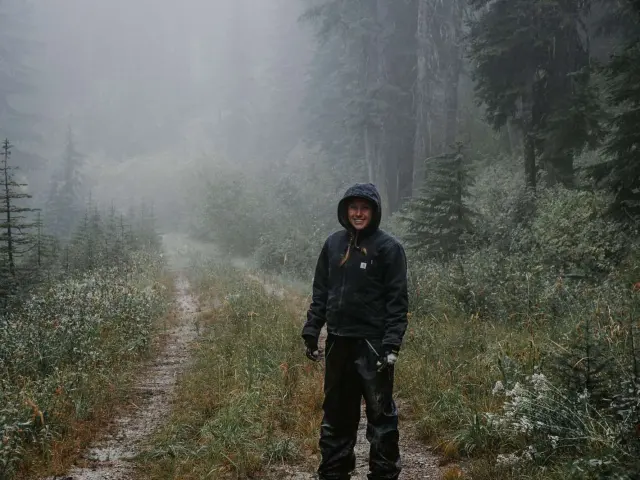
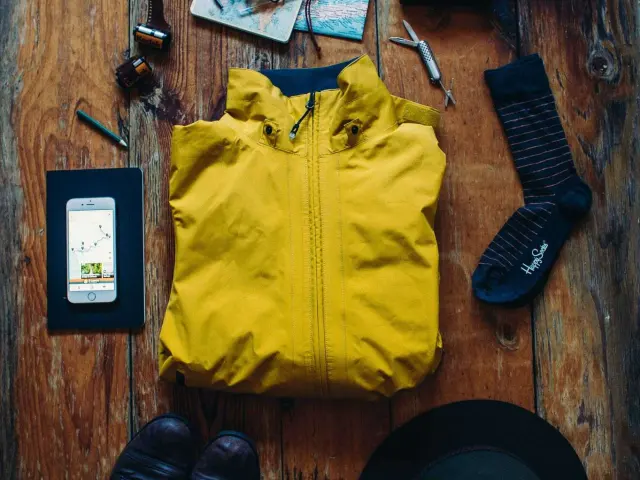
- A lightweight rain jacket that stuffs into your pack.
- Accessories such as sunglasses, a sun hat or beanie, and gloves.
Small items matter here: Adventure Medical Kits says a light hat and gloves can save 20% of your body heat.
For feet, Bearfoot Theory prefers a lightweight hiking shoe over a big, clunky boot on day hikes, and a mid-ankle option on bigger mountain hikes where ankle support helps. If you are still deciding, read how to choose hiking boots before you buy.
What to pack for water, food and sun protection
Plan on roughly 2 liters of water per adult for a full day on the trail, based on Adventure Medical Kits’ guidance. The same source suggests drinking before you start, taking small amounts through the day and refuelling afterwards.
The same source does not recommend drinking from streams unless you have a filter or purifier. Check water availability on your route before you leave.
For food, pack lightweight snacks that are full of fuel, such as hearty bars. Keep them in an easy-to-reach pocket so you actually eat them.
Sun exposure can lead to sunburn, dehydration and heat exhaustion, so sun protection belongs on every list. Bearfoot Theory recommends:
- UPF clothing, since more covered skin means less sunscreen to apply.
- Sweat-proof sunscreen that is at least UPF 30, reapplied to exposed skin.
- A breathable, brimmed hat.
- Sunglasses.
Safety items worth the weight
The Ten Essentials list dates back to the 1930s, and Bearfoot Theory offers a modern version of it. Adventure Medical Kits makes the point that these items can feel silly on a short hike, but you will be grateful for them if something goes wrong.
- Navigation: a map and compass, or a phone app downloaded for offline use.
- Headlamp: delays happen and darkness comes quickly, even if you plan to finish before dark.
- First aid kit: for blisters, bee stings, scrapes and cuts.
- Shelter: a light tarp, bivvy sack or emergency blanket.
- Extras: insect repellent, blister treatments, a whistle or other signaling device.
Bearfoot Theory says a hiking or navigation app is usually enough on most day hikes where the trail is well defined. If you rely on your phone, download the maps for offline use and leave the trailhead with a full battery.
For backpacking and more remote areas, that source still recommends a paper map and compass. Adventure Medical Kits also advises a map and compass backup if you carry a GPS.
How do you adjust the list for your hike?
Bearfoot Theory suggests adjusting any packing list based on how far you are hiking, how remote the trail is, your experience and the weather. Adventure Medical Kits adds that the most important thing you can pack is knowledge: know your abilities, the area and the forecast.
A quick pre-hike routine keeps this simple:
- Check the weather and pick layers for the worst conditions you might meet.
- Fill your water and download offline maps.
- Charge your phone and test your headlamp.
- Pack the safety items before the snacks, so they never get left behind.
If day hikes lead to overnight trips, the camping gear checklist for beginners is the natural next step.
Frequently asked questions
How much water should I bring on a day hike?
Show answer
Adventure Medical Kits says adults should have about 2 liters for a daylong hike. Shorter or cooler outings may need less, so adjust for distance and weather.
What size daypack do I need?
Show answer
Bearfoot Theory calls the 20-35 liter range the sweet spot for most hikes. It leaves room for layers, food, water and the safety items without a cramped load.
Do I need a paper map if I have a phone?
Show answer
On a well-defined trail, a navigation app is usually enough according to Bearfoot Theory, provided you download it for offline use and start with a full battery. It still recommends a paper map and compass for backpacking and remote areas.
Do I really need a headlamp on a short hike?
Show answer
Adventure Medical Kits says yes. Delays can happen, darkness comes quickly, and a headlamp lets you keep moving in rugged terrain.