Packing for your first night outdoors can feel overwhelming. This camping gear checklist for beginners boils it down: a tent, a warm sleeping bag and pad, a stove, light, and a first-aid kit. Start close to home.
Camping near the coast means planning for rain, so read the guide to the best outdoor gear for vancouver weather alongside this list.
| Item | Value |
|---|---|
| Length of a first trip | One or two nights, preferably close to home |
| Main campground categories in British Columbia | Five |
| Sleeping pad R-value for warm weather | 3 or less |
| Sleeping pad R-value for spring to autumn | 3-4 |
| Burners suggested for a car camping stove | Two |
These figures come from the Car Camping 101 guide by Off Track Travel, a page dated November 2025 and first published in July 2020. Figures and advice can change, so check the source before you rely on them.
Start with the right kind of trip
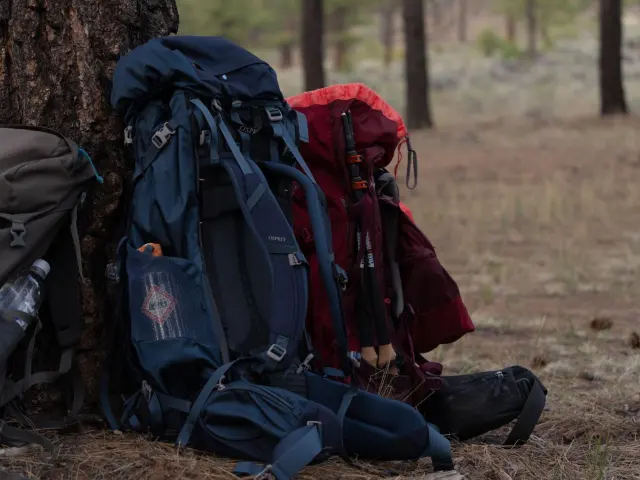
This list is built for car camping: you drive to a campground and carry your gear only a short distance. The Off Track Travel guide is primarily aimed at first time car campers. If you plan to carry everything on your back instead, read how to pack a backpack for camping before you buy anything.
The same guide suggests going for one or two nights at first, preferably close to home. It also says to bring more food than you think you’ll need and clothing for rain, cold and hot weather, no matter the forecast.
In British Columbia, that guide describes five main categories of campgrounds:
- Provincial and national frontcountry campgrounds
- Private campgrounds
- Recreational sites
- Backcountry sites, which are not accessible by vehicle
- Crown land
For a first trip, the guide recommends a provincial or national park campground. Typically each campsite has a fire pit and picnic table, and washrooms are communal. Many of these campgrounds are very popular, and advance reservations are essential to avoid disappointment.
BC’s tourism site also lists a short “Know Before You Go” reminder: know local customs, respect wildlife, prepare for weather, and have emergency contacts.
Shelter and sleep gear
The Ontario Parks checklist groups sleeping gear into a handful of items. Use it as your starting point:
- Tent
- Ground sheet or tarp
- Mattress (and air pump) or sleeping pad
- Sleeping bags or warm blankets
- Pillow and a light bedsheet
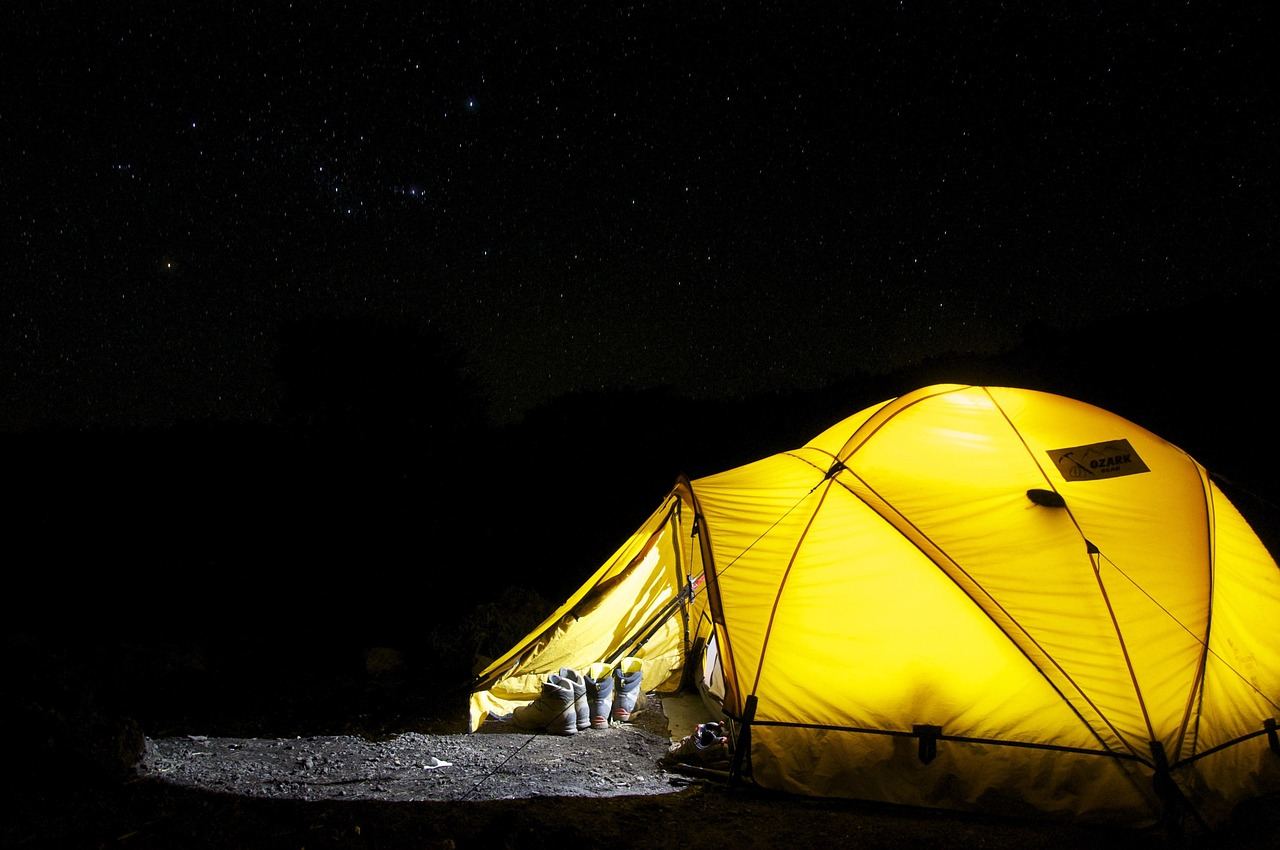
A tent is the one item worth spending on. Global News’s The Curator calls a good, durable, easy-to-assemble tent the only piece of equipment you truly need and should invest in. Off Track Travel suggests buying bigger than necessary: a three person tent is more comfortable for two, and a six person tent is roomy for a four or five person group.
Look for vestibules too. They are handy for storing dirty or wet items outside the main sleeping area, and size and weight matter less when you only carry the tent a short distance.
Your sleeping bag needs a sensible temperature rating. Off Track Travel notes that the number usually refers to a minimum comfort level, not a promise of warmth. If in doubt, go warmer or bring an extra blanket or two, because summer bags only suit the hottest months of the year.
A sleeping pad separates you from the cold ground. Its R-value rates insulation, and the higher the number (1-10), the more insulated it is. A rating of three or less is fine in warm weather, while 3-4 suits spring to autumn in most climates, according to Off Track Travel.
A tarp strung over your tent adds protection if it rains, and The Curator says it also helps extend the life of a tent that may leak over time. A tarp or footprint underneath helps preserve the tent floor. Both are cheap extras that suit wet coastal weather.
Camp kitchen and fire gear
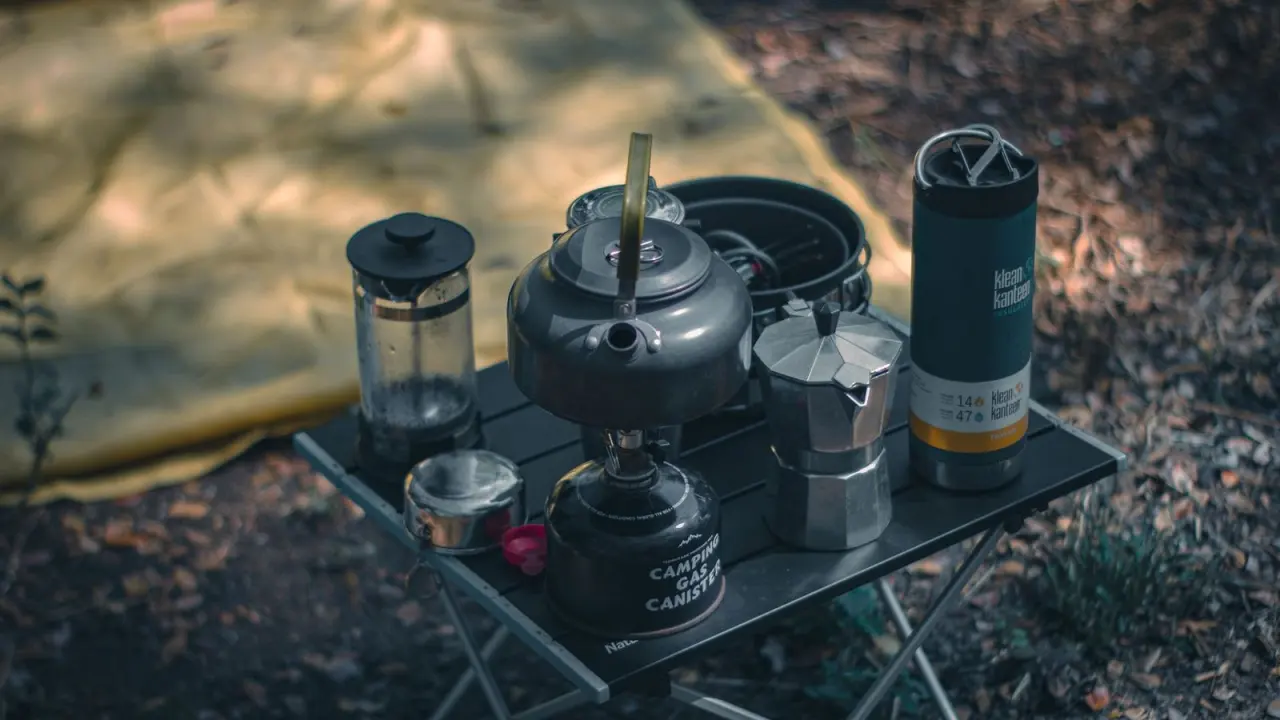
Off Track Travel calls a two burner propane stove the perfect car camping cooker, and says the green propane canisters can be found almost anywhere. It suggests bringing a couple of canisters on your first trip so you can see how long the fuel lasts. Pack a spare lighter even if the stove has a built-in one.
The Ontario Parks checklist covers the rest of the kitchen. A first-timer’s version looks like this:
- Camp stove and fuel
- Pots and pans, plus an oven mitt
- Plates, bowls, cups and a utensil set
- Cutting board, sharp knife and can opener
- Cooler and ice, with a small cooler bag for drinks
- Dishpan, bio-degradable dish soap and a dish cloth
- Garbage bags and zipper-lock bags
Pack your cooler carefully. Off Track Travel says block ice stays frozen a lot longer than cubed ice, and that you shouldn’t overfill the cooler, so it can close properly and insulate the contents.
For fire, the Ontario Parks list includes firewood, kindling and tinder, matches or a lighter, and a fire starter. It adds a reminder to check regulations for moving firewood. Rules differ by park and region, so check your campground’s page before you load the car.
Light, tools, first aid and clothing
These smaller items prevent most first-night problems. Pull them from the Ontario Parks checklist and tick them off one group at a time:
- Lighting: a lantern, plus a flashlight or headlamp.
- Tool kit: duct tape, extra batteries, rope, a multi-tool, bungee cords and an extra tarp.
- First-aid kit: bandages, antiseptic wipes, scissors, tweezers, medication for pain, fever and allergies, and any needed prescriptions.
- Toiletries: sunscreen, bug repellent, toothbrush, soap and a towel.
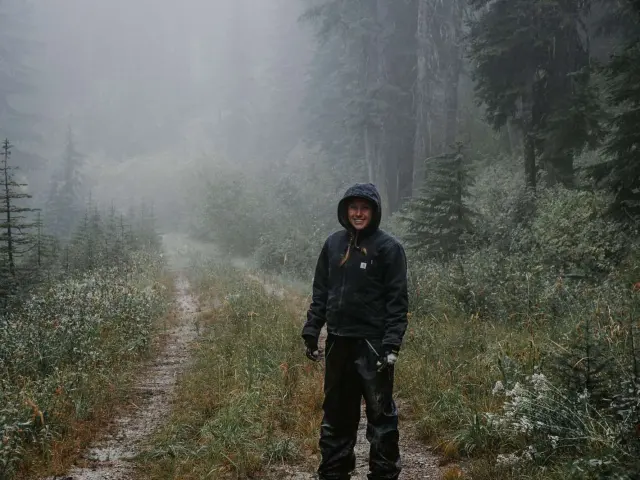
For clothing, think in layers. The Ontario Parks list names close-toed shoes or hiking boots, long pants, shorts, long-sleeved shirts or a sweater, and jackets or rain gear. In cool weather it adds mittens or gloves, a toque and long underwear.
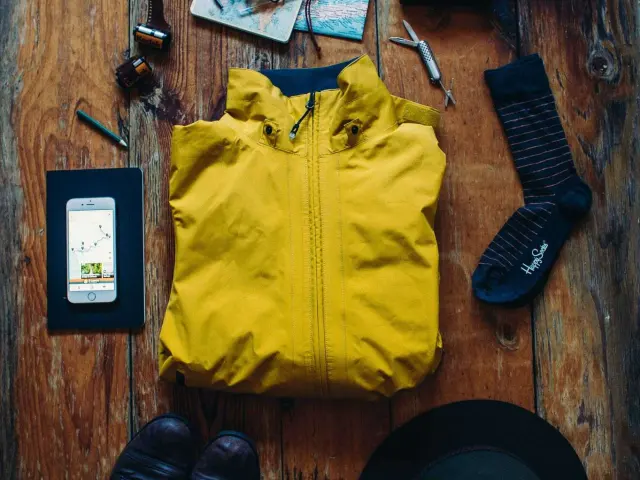
Because Off Track Travel advises packing for rain, cold and heat whatever the forecast, a rain jacket belongs on every trip. If you plan short walks from camp, what to pack for a day hike covers the extra items for those outings.
Borrow, test and pack before you go
You don’t need to buy everything. Off Track Travel suggests borrowing or renting gear for a first trip, which means less up-front cost and a better idea of what you’ll want to own later.
Follow these steps in the days before you leave:
- Borrow or rent the big items, such as the tent and stove, if you can.
- Set up the tent once at home so you know how the poles and rainfly fit.
- Light the stove outside and check that your fuel and lighter work.
- Pack from a written list, ticking items off as they go in the car.
- Plan to Leave No Trace of your visit, which keeps sites clean and safe for wildlife.
Ontario Parks says that using a checklist helps you make sure you have everything you need, and that you can use its version or create your own. The Off Track Travel guide also says to get familiar with your camping gear before leaving home.
Frequently asked questions
How many nights should a first camping trip be?
Show answer
Off Track Travel suggests one or two nights at first, preferably close to home. A short trip lets you learn what you forgot without much risk.
Do I have to buy all my camping gear?
Show answer
No. The same guide suggests borrowing or renting gear for your first trip, then buying once you know what you actually use.
What does a sleeping pad’s R-value mean?
Show answer
It is a rating of how much insulation the pad has. Off Track Travel says the higher the number (1-10), the more insulated it is, with 3-4 suiting spring to autumn in most climates.
Do I need a reservation for a campground?
Show answer
For popular provincial and national park campgrounds, Off Track Travel says advance reservations are essential to avoid disappointment. Check the rules for your chosen campground before you go.