Heading out in Vancouver’s drizzle and wondering what to buy? The best outdoor gear for Vancouver weather is a waterproof shell, warm layers that cope with damp, grippy footwear and a pack that stays dry.
| Item | Value |
|---|---|
| Climate type | Temperate oceanic (Köppen Cfb) |
| Rainy days per year | 169 |
| Wettest month (Burrard Inlet, 1991-2020) | November, 245 mm |
| Driest month (Burrard Inlet, 1991-2020) | July, 44 mm |
| Average annual temperature | 11.0 °C downtown, 10.4 °C at the airport |
| Earliest winter sunset | As early as 4:10 PM |
These figures come from Wikipedia’s Climate of Vancouver page. Climate numbers can change as new records and normals are published, so check the source before you rely on them.
What Vancouver’s weather asks of your gear
Vancouver has a temperate oceanic climate. Summer months are typically dry and moderately warm, while the rest of the year is rainy, especially between October and March, according to Wikipedia’s Climate of Vancouver page. That seasonal split decides what is worth buying first.
The city is Canada’s third rainiest, with 169 rainy days per year as measured at the airport, per the same page. Rain is a normal part of a day outside here, so waterproof gear earns its place.
Temperatures are mild rather than harsh. The average annual temperature is 11.0 °C downtown and 10.4 °C at the airport, according to Wikipedia. Your real challenge is staying dry and comfortable in cool, damp air, not surviving deep cold.
A sensible order of priorities looks like this:
- Keep rain off your body, feet and pack.
- Build warmth with layers you can add or remove.
- Plan for low light and for conditions that change with location and height.
- Match the kit to the activity, whether that is a day hike, a camping trip or a paddle.
If you are still settling in, the living in vancouver hub covers the wider picture beyond gear.
Layers for a damp, mild winter
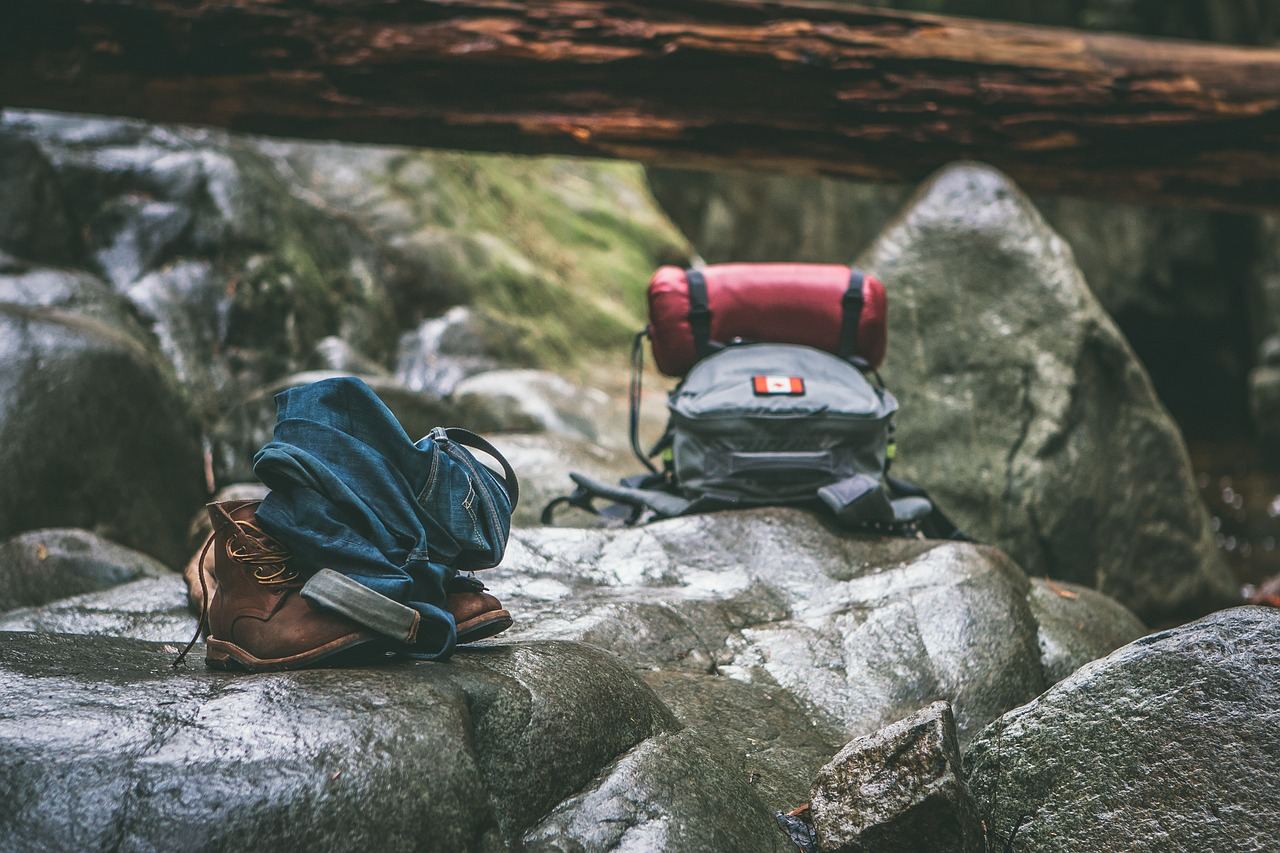
The Burrard Inlet (Vancouver Harbour) chart for 1991-2020 shows January with 237 mm of precipitation, an average high of 7 °C and an average low of 3 °C, according to Wikipedia. November is the wettest month on that chart at 245 mm. Winter gear is therefore about managing wet and cool, more than managing freezing.
A layering system suits that range well, because you can adjust as you start moving or stop for a break:
- Base layer: a close-fitting top that sits against your skin and dries quickly rather than holding water.
- Mid layer: a fleece or light insulated jacket you can take off when you warm up.
- Shell: a waterproof, breathable jacket and, for long wet days, waterproof trousers.
- Extremities: a warm hat and gloves that you can swap for a dry pair.
- Spare layer: a dry top kept in a waterproof bag in your pack.
Cold snaps do happen. Occasional Arctic outflow can sometimes last a week or more, and these outflows occur on average one to three times per winter, according to Wikipedia. The coldest temperature ever recorded in the city was -18.3 °C on December 29, 1968, so a warmer mid layer and decent gloves are worth owning even in a mild city.
Snow is a separate puzzle. It is hard to predict because temperatures stay close to freezing during snow events, per the same source. That is another reason to favour adjustable layers over one heavy coat.
Rain protection: jackets, footwear and packs
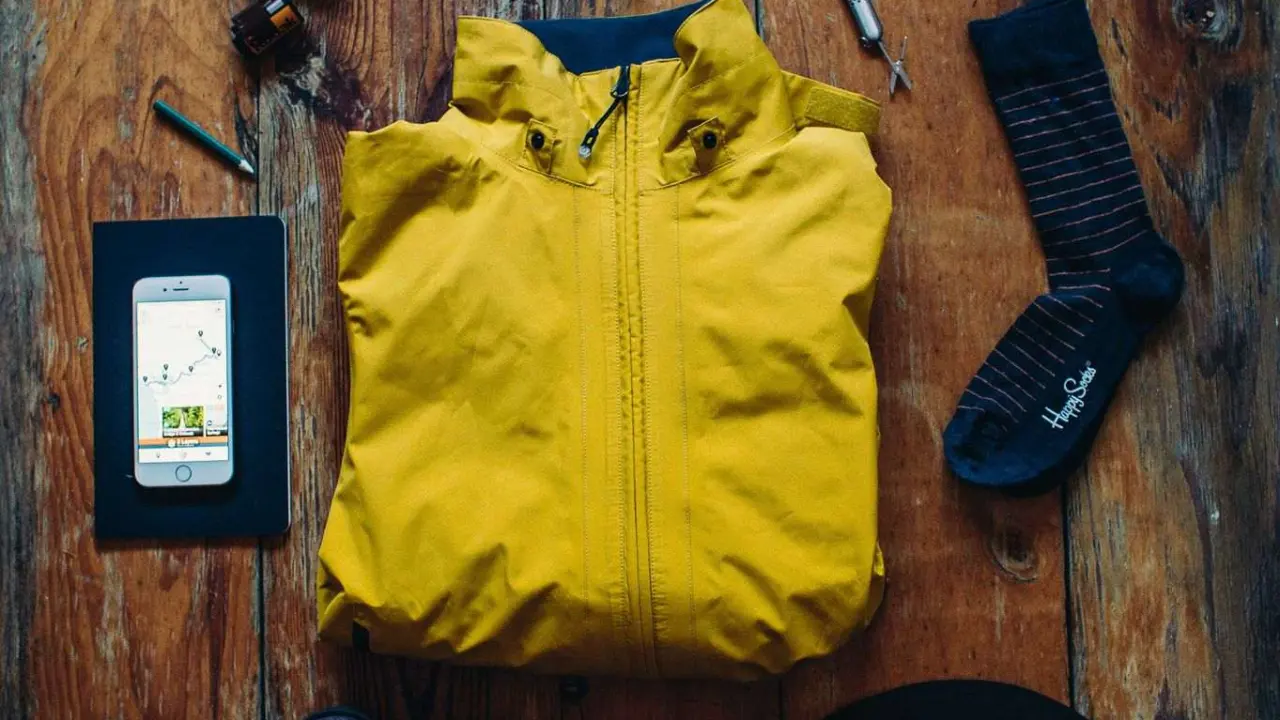
Your shell is the most important single purchase. Look at fit, breathability, hood design and pockets before price, and read how to choose a rain jacket for a step-by-step way to compare options. A shell that is too tight to layer under will end up at home on the days you need it.
Footwear comes next, because wet feet end a trip quickly. Trails here can be muddy and rooty, so grip matters as much as waterproofing, and the guide on how to choose hiking boots explains fit and sole choices. Try boots on with the socks you plan to wear.
Once you own a shell, look after it. Dirt and body oils can affect how well fabric sheds water, so a periodic clean is part of ownership, and how to wash a waterproof jacket walks through the routine. Always follow the care label on your specific garment.
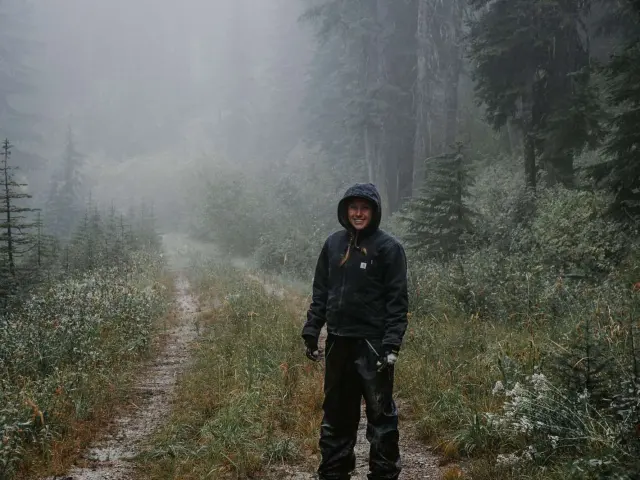
For a full outfit built around trail conditions, see what to wear hiking in the rain. Then protect what you carry:
- A pack with a rain cover, or a liner inside the pack.
- Dry bags for a spare layer, a phone and your food.
- A small towel or cloth for wiping hands and glasses.
- A hat with a brim to keep rain off your face.
Treat any waterproof claim as a starting point and test your kit on a short, local outing before you rely on it somewhere remote.
Does elevation or location change what you carry?
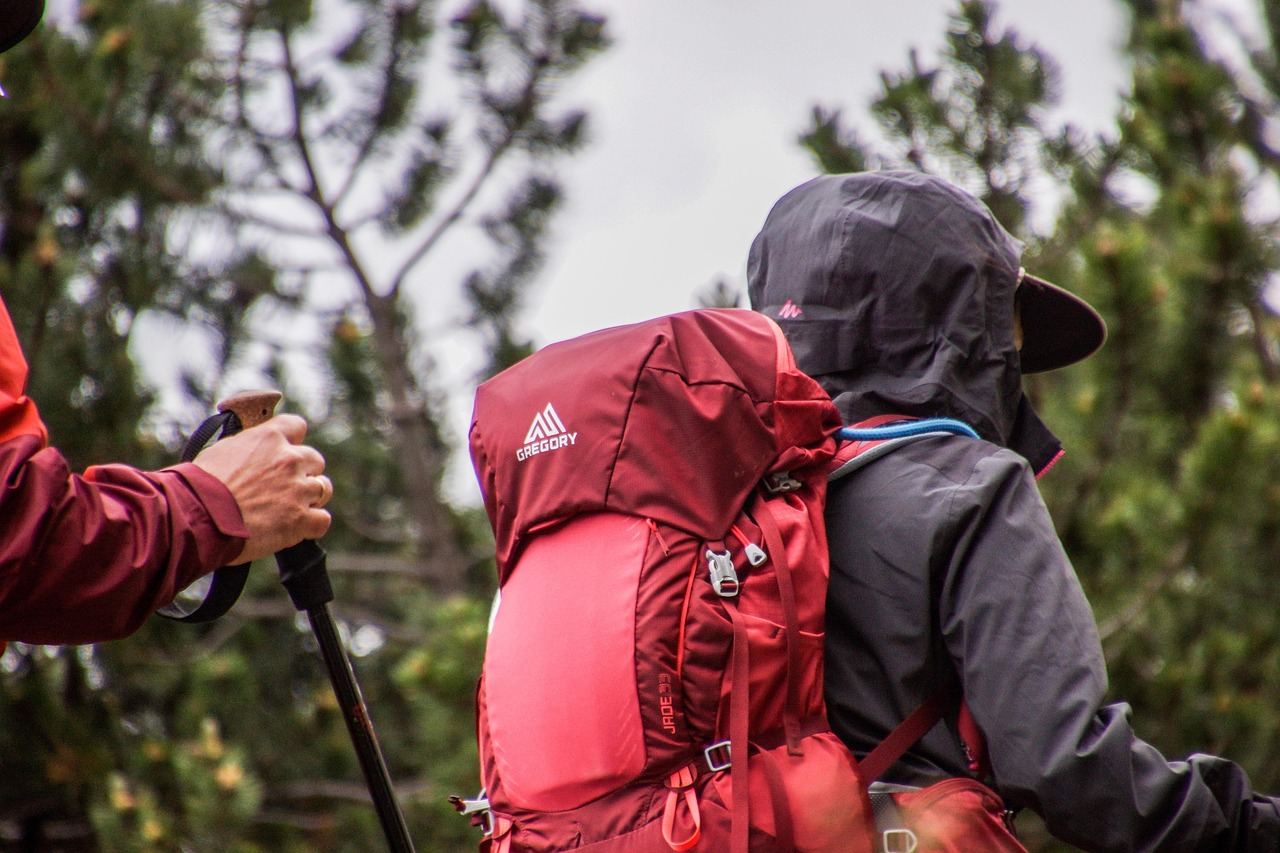
Yes, because Greater Vancouver is a region of microclimates. Sea breezes and mountainous terrain create local differences in weather, according to Wikipedia’s Climate of Vancouver page. A forecast for downtown may not match your trailhead.
Height matters for rain. A rule of thumb on that page says each rise of 100 m in elevation brings an additional 100 mm of precipitation, so places such as the District of North Vancouver in the North Shore Mountains get more rain. If you head up a mountain trail, expect to need your shell sooner than you did in the city.
Inland areas differ too. Summer temperatures can differ by as much as 5-10 °C between the Fraser Valley and the ocean-tempered coast when on-shore breezes are in effect, and winter temperatures tend to be cooler inland by a couple of degrees, per the same page. The coldest temperature across Metro Vancouver, -23.3 °C, was recorded in Pitt Meadows on January 23, 1969.
In practice, that suggests a few habits:
- Check the forecast for the specific area you are visiting, not just the city.
- Pack one more insulating layer than the city weather suggests when heading up or inland.
- Carry sun protection and extra water on warm coastal-versus-inland summer days.
Short days and low light
Vancouver’s latitude means sunsets as early as 4:10 PM and sunrises as late as 8:12 AM, according to Wikipedia. From November to February, on average more than 70% of the already short daytime is completely cloudy at the airport sunshine station. In a typical winter, Vancouver averages less sunshine than any other major city in Canada.
A headlamp is the obvious answer for winter outings, and a spare set of batteries or a charged backup is cheap insurance. Reflective details on your jacket or pack help if you walk near roads. Start earlier and plan a turnaround time so you are back before the light fades.
Summer flips the pattern. July and August are the sunniest months, and near the summer solstice there are less than 8 hours between sunset and sunrise, so civil twilight can last past 10 pm, per the same page. The Burrard Inlet chart puts July at 44 mm of precipitation, the driest month shown, so hats, sunglasses and water move up your list.
When your kit is sorted, the things to do in vancouver guide is a good place to find somewhere to use it.
Matching gear to your activity
Core weather gear carries across activities, but each one adds its own items. Use the guide that fits your plan:
- Day hiking: the essentials are covered in what to pack for a day hike.
- Camping: start with the camping gear checklist for beginners.
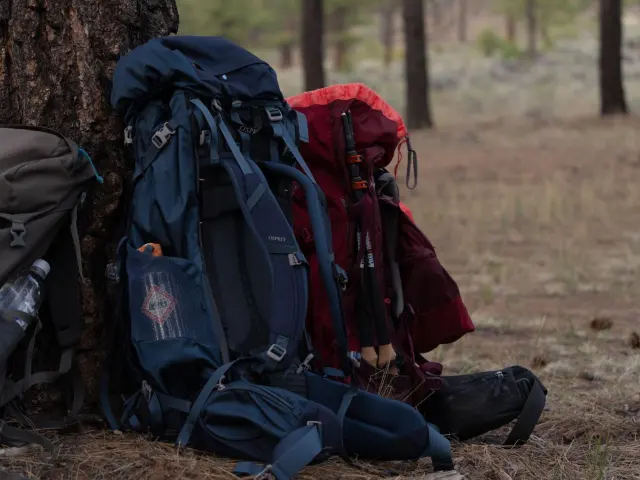
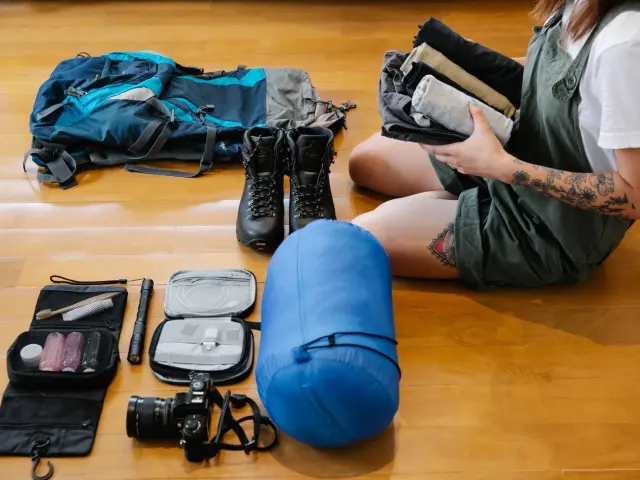
- Carrying a camping load: learn how to pack a backpack for camping so heavy items sit well and wet items stay separate.
- Paddling: the kayaking gear checklist for beginners covers what to bring on the water.
Because the rainy season runs from October to March, plan wet-weather backups for any trip in that window, such as a dry set of clothes left in the car. In dry summer months you can lighten up, but a packable shell still costs little in weight. Buy gradually, starting with the shell and footwear, and add specialist items as your outings demand them.
Frequently asked questions
Do I need rain gear in summer in Vancouver?
Show answer
Summer months are typically dry and moderately warm, and July is the driest month on the Burrard Inlet chart at 44 mm, according to Wikipedia’s Climate of Vancouver page. A light, packable shell is still sensible for shoulder-season days and mountain trips.
How many rainy days does Vancouver get?
Show answer
The airport records 169 rainy days per year, which puts the city third among Canadian cities for rain, according to Wikipedia. Check the source for updates, since climate figures are revised over time.
Is Vancouver cold enough to need heavy winter gear?
Show answer
Usually not. The average annual temperature is 11.0 °C downtown, and Arctic outflows occur on average one to three times per winter, according to Wikipedia. Adjustable layers plus a warm hat and gloves cover most days, with an extra insulating layer for cold snaps.
Does the North Shore get more rain than downtown?
Show answer
Generally yes. A rule of thumb is an additional 100 mm of precipitation for every rise of 100 m in elevation, and the District of North Vancouver in the North Shore Mountains gets more rain, per Wikipedia’s Climate of Vancouver page. Carry your shell when you head uphill.