Standing in front of a wall of boots is daunting, but you can narrow it fast. How to choose hiking boots comes down to your load, your trail, your weather and a fit that feels right from the first step.
Boots are one part of a wider kit, which the best outdoor gear for vancouver weather guide covers.
| Item | Value |
|---|---|
| Weekend backpacking load that calls for more support | 25-35 pounds |
| Load where a real backpacking boot earns its weight | 40+ pounds |
| Boot weight categories | 3 (lightweight, midweight, heavyweight) |
| Key foot measurements to know | 4 (heel-to-toe length, arch length, width, volume) |
| Most-purchased cut height | Mid-cut, just above the ankle bone |
| Waterproof boots keep feet dry up to | The height of the boot collar |
These figures come from Grivet Outdoors’ buyer’s guide (last reviewed May 2026) and ACTIVE.com’s hiking boot guide (updated January 5, 2023). Figures can change, so check the source before you rely on them.
Start with the trip, not the boot
The quickest way to cut through the choices is to match the trip to the footwear. Grivet Outdoors’ buyer’s guide says to pick a boot by four things: how much weight you carry, how technical the trail is, whether you need waterproofing and whether the boot fits from day one.
Here is how that retailer’s guide, as of its May 2026 review, pairs trips with footwear:
- Day hikes on dry trails: most hikers don’t need a boot, and a trail running shoe or low-cut hiking shoe breathes better and weighs less.
- Day hikes in mixed conditions: a mid-cut waterproof boot handles wet trails, light scrambling and shoulder-season hiking.
- Weekend backpacking: carrying 25-35 pounds calls for more support, such as a mid-cut to over-the-ankle boot with stiffer torsional support.
- Multi-day trips with heavy loads: 40+ pounds and rough terrain is where a backpacking boot with a stiff midsole, full ankle support and durable leather upper earns its weight.
The label “hiking boots” covers several kinds of footwear. A January 2020 GORE-TEX brand blog post describes hiking shoes that cut off below the ankle and are very flexible, backpacking boots that give the most ankle and foot support for heavy loads, and mountaineering boots that are stiff, tough and built to last for glacier travel.
Low, mid or high: choosing a cut height
The cut height affects ankle support, weight and breathability, and Grivet Outdoors notes that none is universally better. Each suits a different use.
- Low-cut: sits below the ankle bone and is essentially a trail runner with a hiking-specific outsole. It is light and breathable, and it suits established trails.
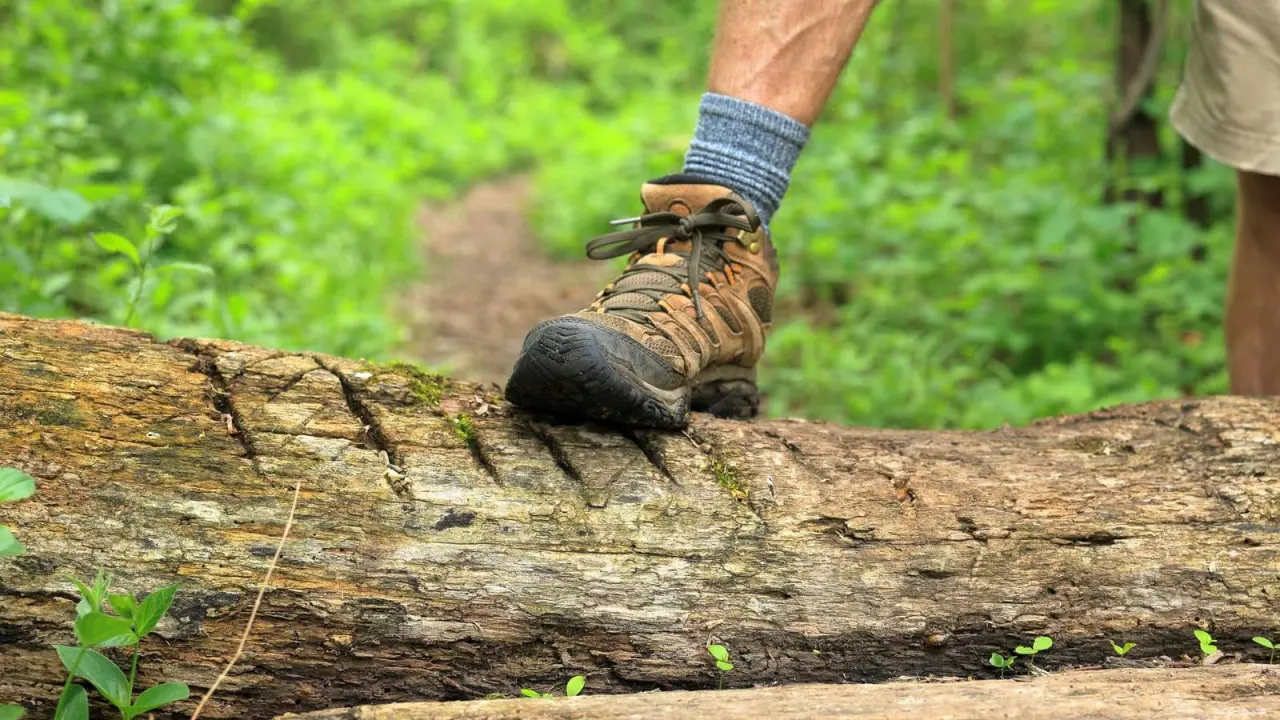
- Mid-cut: sits just above the ankle bone and is the most-purchased category. It adds some ankle support without the weight penalty of a full boot.
- Over-the-ankle: sits well above the ankle and gives the most support and protection. It is the heaviest of the three and suits heavy loads and technical terrain.
Some guides sort boots by weight instead. ACTIVE.com (updated January 5, 2023) says boots fall into three categories: lightweight boots for shorter hikes on well-kept trails, midweight boots for longer hikes carrying a heavier load, and heavyweight boots at the sturdy end.
Waterproof or breathable?
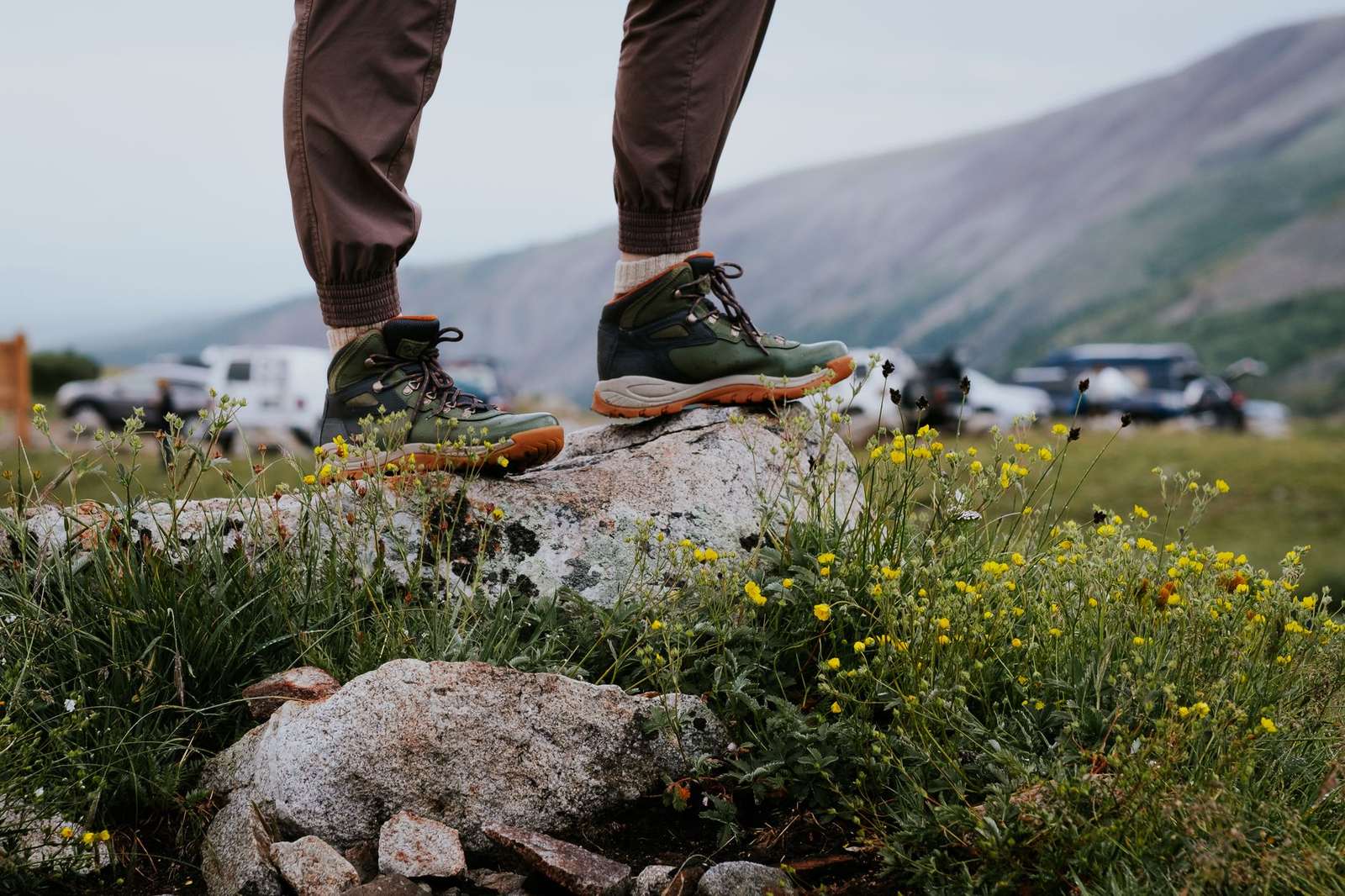
Waterproofing is a trade-off, not a free upgrade. Per Grivet Outdoors, waterproof boots keep your feet dry through wet grass, light puddles and creek crossings up to the height of the boot collar, but they also trap heat.
Standard boots let air move through the upper. They run cooler in summer and dry faster after a soaking, but they are not waterproof. ACTIVE.com makes the same point: most waterproof boots have reduced breathability, so you may sweat more on warm days.
If your trails are wet for much of the year, waterproof usually wins. If you mostly hike warm, dry routes, a breathable boot or low-cut shoe can be the more comfortable choice. Dry feet are only part of staying comfortable, and how to choose a rain jacket covers the layer above them.
Leather, synthetic and grip
Materials decide how long a boot lasts. ACTIVE.com says leather is more durable and the better choice for rugged land, because synthetics are more easily damaged.
Among leathers, the GORE-TEX brand blog calls full-grain leather the most durable and abrasion resistant option. Expect it on heavier boots, where durability matters most.
Check the outsole too. Per ACTIVE.com, deep, thick, widely spaced lugs improve grip and suit muddy trails or technical hikes. A heel brake is not on every boot, but it adds protection against sliding on steep or unstable ground.
How a hiking boot should fit
A boot can match your trip perfectly and still fail if it doesn’t suit your foot. ACTIVE.com lists four key measurements: heel-to-toe length, arch length, foot width and volume. Sizing varies between manufacturers, so your own numbers help.
The GORE-TEX brand blog (January 2020) offers a fitting routine worth following:
- Get measured. Most retailers have equipment to measure your feet accurately.
- Try boots on later in the day, because feet tend to swell after an active day.
- Bring your orthotics if you wear them, since they affect the fit.
- Wear the socks you will actually hike in, such as wool, to simulate real conditions.
- Start with brands you have worn and liked before, which tend to keep a consistent fit.
- Walk around the store to get a general feel for each pair.
The goal is a snug boot. ACTIVE.com puts it as snug everywhere but not too tight, while the GORE-TEX post links a good fit to avoiding blisters, pinching and bruised toenails. It also says you should never feel pressured to rush the buying process.
Once the boots are sorted, what to pack for a day hike covers what goes in your bag.
Frequently asked questions
Do I need hiking boots for every hike?
Show answer
No. Grivet Outdoors says most hikers don’t need a boot for day hikes on dry trails, and a trail running shoe or low-cut hiking shoe works well there.
When is the best time to try on boots?
Show answer
Later in the day. The GORE-TEX brand blog notes that feet tend to swell after an active day, and they can swell on the trail too.
Are waterproof boots always better?
Show answer
Not always. As of Grivet’s May 2026 review, waterproof boots suit wet climates and shoulder seasons, while standard boots run cooler and dry faster.
Is leather or synthetic better?
Show answer
Leather is more durable, according to ACTIVE.com, and it is the better pick for rugged land. Synthetics are more easily damaged.
How heavy a pack means I need a backpacking boot?
Show answer
Grivet Outdoors says 25-35 pounds calls for more support, and 40+ pounds on rough terrain is where a real backpacking boot earns its weight.