Trying to dodge the rain without paying peak prices? The best time to visit Vancouver is July and August for the driest, warmest weather, or September for a quieter, still-mild alternative.
If you are still deciding what to do once you arrive, the wider guide to things to do in vancouver shows what each season suits best.
| Item | Value |
|---|---|
| Warmest, driest months | July and August, average highs around 22°C |
| January average temperature | Around 4.8°C |
| July average temperature | Around 18°C |
| Wettest month | November, around 20 cm of precipitation |
| July precipitation | Just under 4 cm |
| Booking lead time for peak summer | 6-9 months ahead |
These figures come from Nomado Travel’s Vancouver guide. Weather averages and hotel conditions can change, so check the source before you rely on them.
How Vancouver’s climate shapes the seasons
Vancouver has a temperate oceanic climate, so the big seasonal swing is rain rather than cold. According to Nomado Travel’s month-by-month guide, January averages around 4.8°C, while July averages around 18°C with highs near 22°C.
Rainfall is the number that really separates the months. The same guide puts November at around 20 cm of precipitation, the wettest month by far, and July at just under 4 cm. August has the clearest skies of any month, with sunny or partly cloudy conditions roughly 66% of the time.
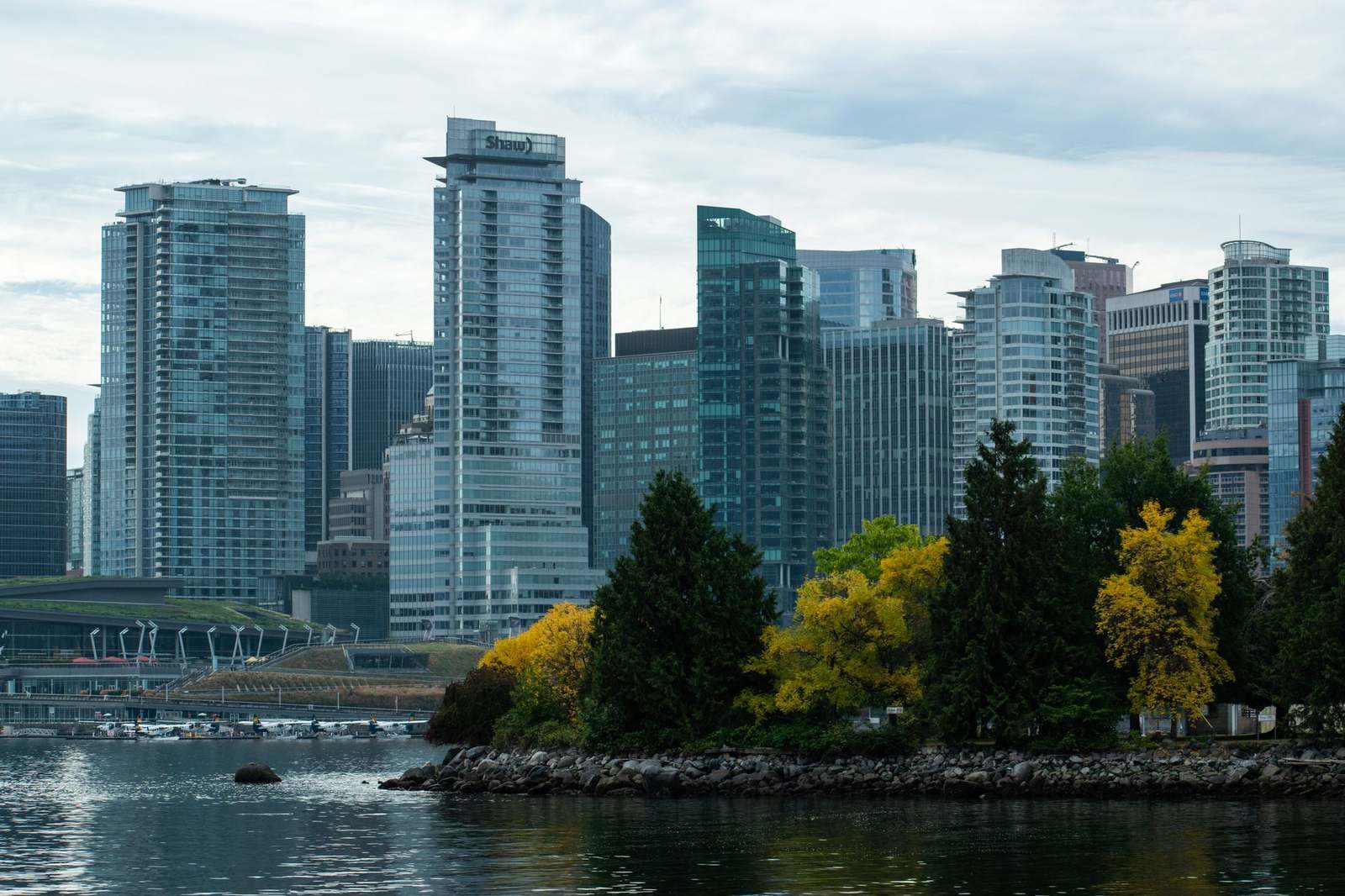
Summer: the warmest and driest months, at a price
Summer is the easy answer for weather. Nomado Travel describes July and August as the driest, warmest months and also peak tourist season, and advises booking accommodation 6-9 months ahead for the best rates and availability.
The summer calendar is busy, and these are the events the guide highlights:
- The Honda Celebration of Light, an international fireworks competition held over English Bay.
- The Vancouver Pride Parade in late July.
- Weekend crowds at Granville Island Public Market.
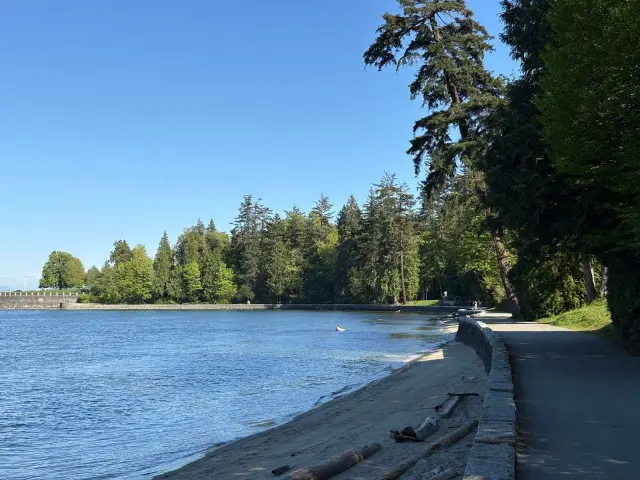
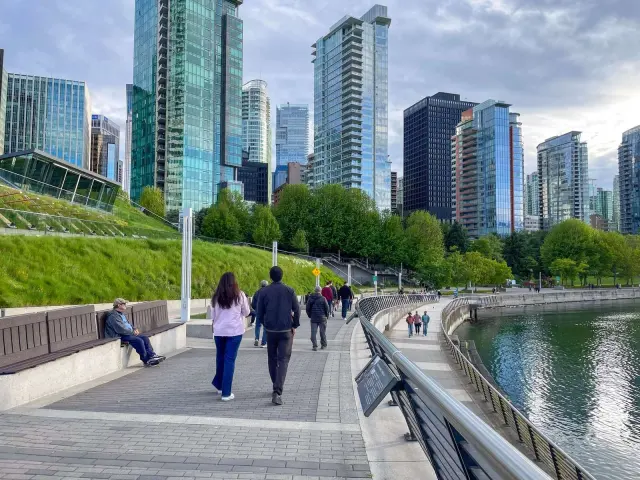
Crowds build early. The guide says the Granville Island market gets packed by 11am on weekends, while outdoor highlights such as the seawall and beaches stay thin on people before 9am even in August. Popular trails also fill by mid-morning, so start early if you are looking at the best hikes near vancouver.
Dry summer weather also makes time on the water more appealing, so kayaking in vancouver is worth considering for these months.
One catch is Juneuary. According to Nomado Travel, the first three weeks of June can still be cool and partly rainy, so pack layers for an early-summer trip.
Spring and fall: the value windows
Spring warms gradually. Nomado Travel gives averages of 7-10°C in March and highs around 16-18°C in May, with cherry blossoms typically peaking from late March to mid-April across the city’s streets and parks.
Early fall can feel like an extension of summer. Per the same source, September temperatures stay in the mid-teens, rain is still relatively infrequent and summer crowds have thinned, while October brings noticeably more rain and an average high around 10°C.
The same guide calls spring (March-May) and early fall (September-October) the strongest value windows for most travellers, thanks to mild weather, fewer crowds and noticeably lower hotel prices.
Is winter worth visiting?
Winter is the low season, defined by grey skies and regular rain from November through February. Nomado Travel puts average December highs around 6°C and says snow in the city is rare and typically short-lived.
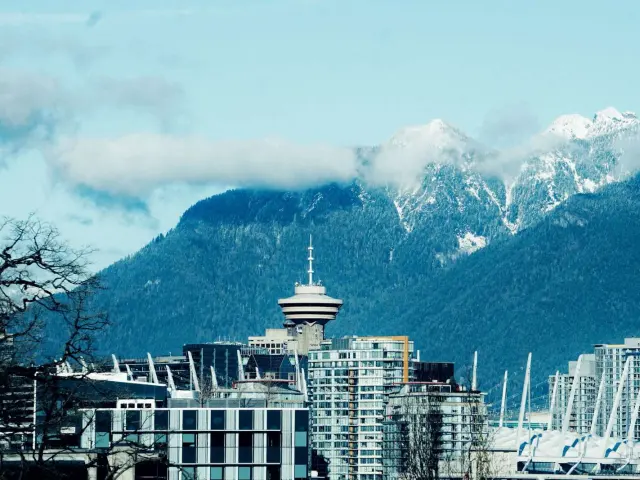
The trade-off is cost and atmosphere. Hotel rates drop significantly, and the mountains above North Vancouver (Grouse Mountain and Cypress Mountain) often have skiable snow within 30-45 minutes of downtown, according to the guide.
Which month fits your trip?
Match the month to what you care about most:
- Best weather: July or August, with the most sun and least rain.
- Best balance of price and weather: spring or early fall, especially September.
- Cherry blossoms: late March to mid-April.
- Lowest hotel rates and mountain snow: winter.
An independent weather-scoring site agrees on the extremes. Best Date Weather scores July 8.4/10 and December 0.6/10 using 10 years of climate data, though its score reflects weather, so your budget and tolerance for crowds still matter.
Frequently asked questions
What is the best time to visit Vancouver for good weather?
Show answer
July and August. Nomado Travel describes them as the driest, warmest months, with average highs around 22°C.
When is Vancouver cheapest to visit?
Show answer
Winter. Nomado Travel says hotel rates drop significantly in the low season from November through February, though you should expect regular rain.
Does it snow in Vancouver?
Show answer
Snow in the city is rare and typically short-lived. The mountains above North Vancouver often have skiable snow within 30-45 minutes of downtown, according to the same guide.
When do the cherry blossoms bloom?
Show answer
They typically peak from late March to mid-April, per Nomado Travel. Rain is still frequent then, so bring a waterproof layer.
How far ahead should I book for summer?
Show answer
Nomado Travel advises booking accommodation 6-9 months ahead for peak summer, the best way to get good rates and availability.